
Unveiling the Power of Secret Network Cryptocurrency: Privacy, Security, and Innovation in the Blockchain Space
Unveiling the Power of Secret Network Cryptocurrency: Privacy, Security, and Innovation in the Blockchain Space
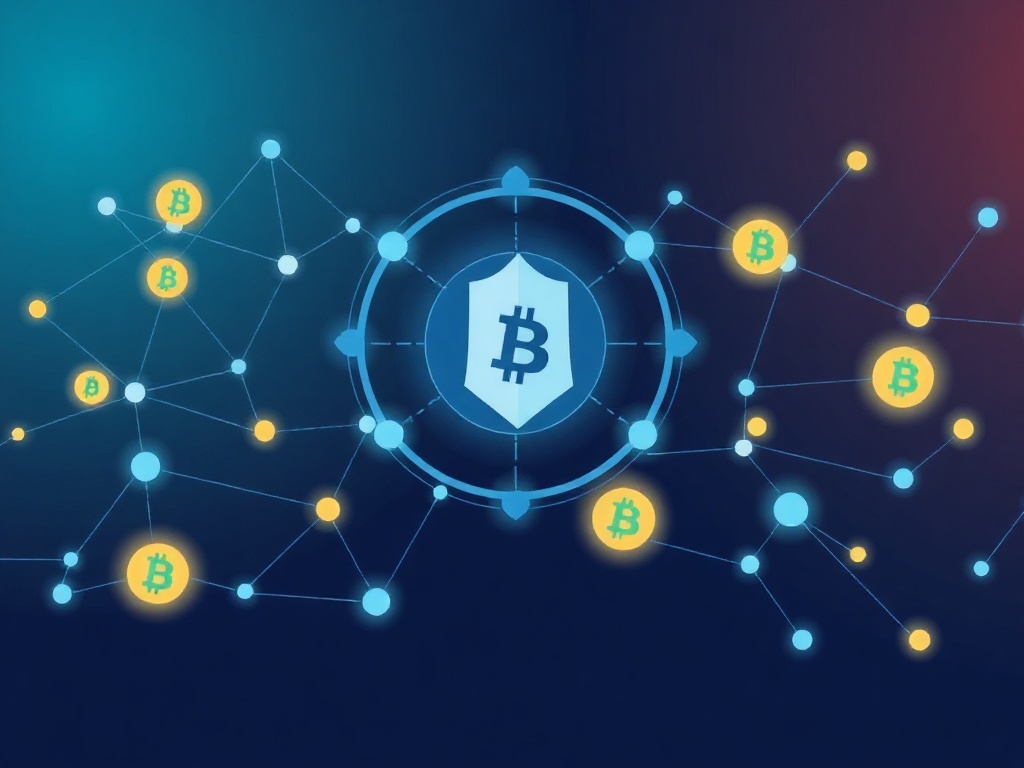
In the ever-evolving world of cryptocurrencies, privacy and security have become paramount concerns for users and investors alike. Among the plethora of blockchain projects aiming to address these concerns, Secret Network cryptocurrency stands out as a pioneering solution that combines privacy-preserving technologies with robust decentralized applications. Unlike traditional blockchains where transactions and smart contracts are publicly visible, Secret Network leverages cutting-edge cryptographic techniques to ensure that sensitive data remains confidential while still benefiting from the transparency and immutability of blockchain technology.
This comprehensive guide explores the Secret Network cryptocurrency in depth, covering its origins, underlying technology, use cases, and why it is increasingly becoming a favorite among privacy-conscious crypto enthusiasts. Whether you're a seasoned investor, a developer, or simply curious about the future of private blockchain transactions, this article will provide you with the insights you need to understand the significance of Secret Network in the broader cryptocurrency ecosystem.
The Evolution of Secret Network: From Enigma to Secret Network Cryptocurrency
The Birth of Enigma and the Vision for Privacy
The story of Secret Network cryptocurrency begins with Enigma, a blockchain project founded in 2015 by Guy Zyskind and Can Kisagun. The Enigma team envisioned a decentralized network that could enable secure, private computation on encrypted data without exposing the underlying information. This concept was groundbreaking because it allowed users to perform computations on sensitive data—such as financial transactions, medical records, or personal identities—without revealing the data itself to third parties or even the network validators.
The Enigma protocol was designed to work alongside public blockchains like Ethereum, acting as a privacy layer that could process smart contracts in a confidential manner. However, the project faced significant challenges, including scalability issues and the need for a native token to incentivize network participants. These challenges led to a major pivot in 2020, when Enigma rebranded and relaunched as Secret Network, introducing a standalone blockchain built on the Cosmos SDK and powered by the SCRT token.
Key Milestones in Secret Network's Journey
The transition from Enigma to Secret Network cryptocurrency marked a turning point for the project. Here are some of the most significant milestones that have shaped its development:
- 2020: Mainnet Launch – The Secret Network mainnet went live in February 2020, introducing a fully decentralized, privacy-preserving blockchain. This was a major achievement, as it demonstrated that private smart contracts could operate efficiently at scale.
- 2021: Integration with Ethereum – Secret Network expanded its interoperability by enabling cross-chain communication with Ethereum through the Secret Ethereum Bridge. This allowed users to transfer assets between the two networks while maintaining privacy.
- 2022: SecretSwap and DeFi Expansion – The launch of SecretSwap, a decentralized exchange (DEX) on Secret Network, marked a significant step toward building a robust DeFi ecosystem. Users could now trade tokens privately, without exposing their transaction history.
- 2023: Secret NFTs and Web3 Gaming – The introduction of privacy-preserving NFTs and support for Web3 gaming applications further diversified the use cases of Secret Network cryptocurrency, attracting developers and creators to the ecosystem.
- 2024: Roadmap to Scalability – Ongoing upgrades, including the implementation of Secret Contracts 2.0 and improvements to the network's consensus mechanism, aim to enhance performance, reduce fees, and increase adoption.
These milestones highlight how Secret Network has evolved from a theoretical concept into a fully functional, privacy-focused blockchain that is gaining traction in the crypto space.
How Secret Network Cryptocurrency Works: The Technology Behind the Privacy
Understanding Privacy-Preserving Smart Contracts
At the heart of Secret Network cryptocurrency is its ability to execute private smart contracts. Unlike traditional smart contracts on platforms like Ethereum, which are fully transparent and auditable by anyone, Secret Network's smart contracts operate on encrypted data. This means that while the logic of the contract is publicly verifiable, the inputs, outputs, and intermediate computations remain confidential.
This is achieved through a combination of cryptographic techniques, including:
- Trusted Execution Environments (TEEs): Secret Network utilizes Intel SGX (Software Guard Extensions) to create secure enclaves where computations can be performed on encrypted data without exposing it to the rest of the system.
- Zero-Knowledge Proofs (ZKPs): These cryptographic proofs allow one party to prove the validity of a computation without revealing the underlying data. Secret Network leverages ZKPs to ensure that transactions and contract executions are both private and verifiable.
- Secret Contracts: These are smart contracts written in Rust (compiled to WebAssembly) that run within the secure enclaves of TEEs. They enable developers to build decentralized applications (dApps) that process sensitive data without compromising privacy.
By combining these technologies, Secret Network cryptocurrency ensures that users can interact with blockchain applications without fear of their data being exposed or exploited.
The Role of the SCRT Token in the Secret Network Ecosystem
The SCRT token is the native cryptocurrency of the Secret Network and plays a crucial role in its operation. Here’s how it functions within the ecosystem:
- Staking and Governance: SCRT holders can stake their tokens to secure the network and participate in governance decisions. This ensures that the network remains decentralized and community-driven.
- Transaction Fees: All transactions and smart contract executions on Secret Network require a small fee paid in SCRT. This fee incentivizes validators to process transactions and maintain the network.
- Privacy Features: Some privacy-preserving features, such as the ability to hide transaction amounts or sender/receiver addresses, may require additional SCRT to cover the computational overhead of encryption and decryption.
- Liquidity and DeFi: SCRT is used as a base currency in decentralized finance (DeFi) applications on Secret Network, such as SecretSwap and other lending/borrowing platforms.
The SCRT token is not just a utility token but also a key component in ensuring the long-term sustainability and growth of the Secret Network cryptocurrency.
Interoperability: Bridging Secret Network with Other Blockchains
One of the strengths of Secret Network is its ability to interact with other blockchains, enabling users to leverage its privacy features across multiple ecosystems. The most notable integration is with Ethereum, facilitated by the Secret Ethereum Bridge. This bridge allows users to:
- Transfer ETH and ERC-20 tokens to Secret Network while maintaining privacy.
- Use wrapped versions of Ethereum tokens (e.g., sETH, sUSDC) in Secret Network’s DeFi protocols.
- Bridge assets back to Ethereum when needed, ensuring seamless cross-chain functionality.
Additionally, Secret Network is part of the Cosmos ecosystem, which means it can interoperate with other Cosmos-based chains through the Inter-Blockchain Communication (IBC) protocol. This opens up opportunities for users to access privacy features across a wide range of blockchain networks.
Interoperability is a critical factor in the adoption of Secret Network cryptocurrency, as it allows users to benefit from privacy without being limited to a single blockchain.
Use Cases of Secret Network Cryptocurrency: Where Privacy Meets Utility
Decentralized Finance (DeFi) with a Privacy Focus
DeFi has revolutionized the way people interact with financial services, but traditional DeFi platforms often lack privacy, exposing users' transaction histories and portfolio balances. Secret Network cryptocurrency addresses this issue by enabling private DeFi applications where users can:
- Trade Tokens Anonymously: Platforms like SecretSwap allow users to swap tokens without revealing their trading activity to the public.
- Lend and Borrow Privately: Protocols such as Secret Lend enable users to earn interest on their assets or borrow funds without disclosing their holdings or credit history.
- Stake with Confidentiality: Users can stake their SCRT or other tokens without revealing their staking amounts or rewards, enhancing financial privacy.
These features make Secret Network an attractive option for individuals and institutions that prioritize privacy in their financial transactions.
Private NFTs and Digital Ownership
Non-fungible tokens (NFTs) have gained immense popularity, but they often come with privacy concerns, such as the public association of a user’s wallet address with their NFT holdings. Secret Network cryptocurrency introduces private NFTs, which allow users to:
- Hide NFT Ownership: The ownership of NFTs can be kept confidential, preventing third parties from tracking a user’s digital assets.
- Enable Private Metadata: NFT metadata (e.g., artwork, game items) can be stored and accessed privately, ensuring that only authorized parties can view the content.
- Use NFTs in Gaming: Web3 gaming platforms on Secret Network leverage private NFTs to create immersive experiences where in-game assets remain confidential, enhancing gameplay and security.
Private NFTs represent a significant innovation in the NFT space, and Secret Network is at the forefront of this trend.
Enterprise and Institutional Use Cases
Beyond individual users, Secret Network cryptocurrency has potential applications for enterprises and institutions that require secure, private data processing. Some key use cases include:
- Supply Chain Management: Companies can use Secret Network to track and verify supply chain data without exposing sensitive information to competitors or the public.
- Healthcare Data Sharing: Hospitals and healthcare providers can securely share patient data for research or treatment purposes while maintaining patient confidentiality.
- Financial Services: Banks and financial institutions can leverage Secret Network for private transactions, compliance reporting, and fraud detection without compromising customer privacy.
- Voting Systems: Governments and organizations can use Secret Network to conduct secure, tamper-proof elections where votes remain confidential until the final tally.
These enterprise applications demonstrate the versatility of Secret Network cryptocurrency and its potential to disrupt industries beyond the crypto space.
Privacy-Preserving DAOs and Governance
Decentralized autonomous organizations (DAOs) are a cornerstone of the blockchain ecosystem, but they often face challenges related to transparency and privacy. Secret Network enables private DAOs, where governance decisions and voting can occur without exposing the identities or preferences of participants. This is particularly valuable for:
- Corporate Governance: Companies can use private DAOs to manage internal decision-making processes without revealing sensitive business strategies.
- Community-Driven Projects: Open-source projects and community initiatives can benefit from private governance, ensuring that contributors’ identities and votes remain confidential.
- Investment Clubs: Private investment groups can use Secret Network to manage funds and voting on investment decisions without disclosing their holdings or strategies.
By integrating privacy into DAO governance, Secret Network cryptocurrency enhances the functionality and appeal of decentralized organizations.
Why Choose Secret Network Cryptocurrency? Key Advantages and Benefits
Unmatched Privacy Without Sacrificing Transparency
One of the most compelling reasons to choose Secret Network cryptocurrency is its ability to provide selective transparency. While traditional blockchains offer full transparency (which can be a privacy risk), and fully private blockchains (like Monero) sacrifice auditability, Secret Network strikes a balance by allowing users to choose which data they want to keep private and which they want to disclose. This flexibility is achieved through:
- Viewing Keys: Users can generate viewing keys that allow specific parties (e.g., auditors, regulators) to view certain transaction details without exposing the entire transaction history.
- Auditability: While transactions are private by default, they can still be audited by authorized parties, ensuring compliance with regulations without compromising user privacy.
- Customizable Privacy: Developers can build applications on Secret Network that offer varying levels of privacy, depending on the use case.
This unique approach makes Secret Network ideal for users who need both privacy and compliance.
Strong Security Through Trusted Execution Environments
Security is a top priority for any blockchain, and Secret Network cryptocurrency employs advanced cryptographic techniques to protect user data. The use of Intel SGX ensures that computations are performed in secure enclaves, isolated from the rest of the system. This provides several security benefits:
- Protection Against Attacks: Even if a validator node is compromised, the secure enclave prevents attackers from accessing the encrypted data being processed.
- Tamper-Proof Computations: The integrity of smart contracts is guaranteed, as any attempt to alter the computation within the enclave would be detected and rejected.
- Confidentiality of Data: Sensitive data, such as personal identities or financial records, remains encrypted throughout the entire computation process.
These security measures make Secret Network one of the most secure blockchains for privacy-preserving applications.
Scalability and Low Transaction Costs
Scalability has been a persistent challenge for many blockchain networks, but Secret Network cryptocurrency has made significant strides in this area. By leveraging the Cosmos SDK and implementing efficient consensus mechanisms, Secret Network achieves:
- High Throughput: The network can process thousands of transactions per second, making it suitable for high-demand applications like DeFi and gaming.
- Low Fees: Transaction fees on Secret Network are typically much lower than those on Ethereum or other high-fee blockchains, making it accessible to a broader audience.
- Fast Finality: Transactions on Secret Network are confirmed quickly, reducing wait times for users and improving the overall user experience.
These scalability advantages position Secret Network as a practical solution for real-world applications that require both privacy and performance.
A Growing Ecosystem with Active Development
The success of any blockchain project depends on its ecosystem, and Secret Network cryptocurrency boasts a vibrant and rapidly expanding community of developers, validators, and users. Key aspects of the ecosystem include:
- Developer Tools: Secret Network provides comprehensive documentation, SDKs, and tutorials to help developers build privacy-preserving applications.
- Grants and Funding: The Secret Foundation and community initiatives offer grants and funding to support innovative projects on the network.
- Partnerships: Collaborations with other blockchain projects, enterprises, and institutions are driving adoption and expanding the use cases of Secret Network.
- Community Engagement: Active community forums, social media channels, and events foster collaboration and innovation within the ecosystem.
The growing ecosystem of Secret Network ensures that the project remains dynamic, with continuous improvements and new applications being developed.
How to Get Started with Secret Network Cryptocurrency: A Step-by-Step Guide
Step 1: Acquiring SCRT Tokens
To interact with the Secret Network, you’ll need to acquire SCRT tokens, the native cryptocurrency of the network. Here are the most common ways to obtain SCRT:
- Centralized Exchanges (CEXs): SCRT is listed on several major exchanges, including Binance, KuCoin, and Gate.io. You can purchase SCRT using fiat currency or other cryptocurrencies like BTC or ETH.
- Decentralized Exchanges (DEXs): You can also buy SCRT on decentralized exchanges like SecretSwap or Osmosis by swapping other tokens (e.g., ETH, USDC) for SCRT. <

The Future of Privacy-Preserving Finance: An Expert Analysis of Secret Network Cryptocurrency
As a digital assets strategist with a background in both traditional finance and cryptocurrency markets, I’ve closely observed the evolution of privacy-focused blockchain solutions. Secret Network cryptocurrency stands out as a pioneering project in the realm of programmable privacy, offering a unique blend of confidentiality and smart contract functionality. Unlike traditional blockchains where transaction details are publicly visible, Secret Network leverages secure enclaves and zero-knowledge proofs to enable private yet verifiable computations. This innovation is particularly compelling for institutional players and privacy-conscious users who require both transparency and discretion in their financial operations. From a portfolio optimization perspective, Secret (SCRT) presents an intriguing opportunity to hedge against surveillance risks while participating in decentralized finance (DeFi) without sacrificing data integrity.
Practically speaking, the adoption of Secret Network cryptocurrency hinges on its ability to integrate seamlessly with existing DeFi ecosystems while maintaining robust security standards. The network’s recent upgrades, including the launch of Secret 2.0, have significantly enhanced its scalability and interoperability, making it a viable alternative to Ethereum for privacy-sensitive applications. For investors, this means access to a growing suite of decentralized applications (dApps) that process sensitive data—such as identity verification or confidential trading—without exposing raw inputs. However, challenges remain, including regulatory scrutiny and competition from other privacy coins. My recommendation for allocators is to treat SCRT as a strategic allocation within a diversified crypto portfolio, prioritizing long-term utility over short-term speculation. The key to success lies in monitoring adoption metrics, such as total value locked (TVL) in Secret Network’s DeFi protocols, and assessing its role in bridging the gap between privacy and compliance in the digital asset space.