
Understanding the Anonymous Bitcoin ATM: A Complete Guide to Private Cryptocurrency Transactions
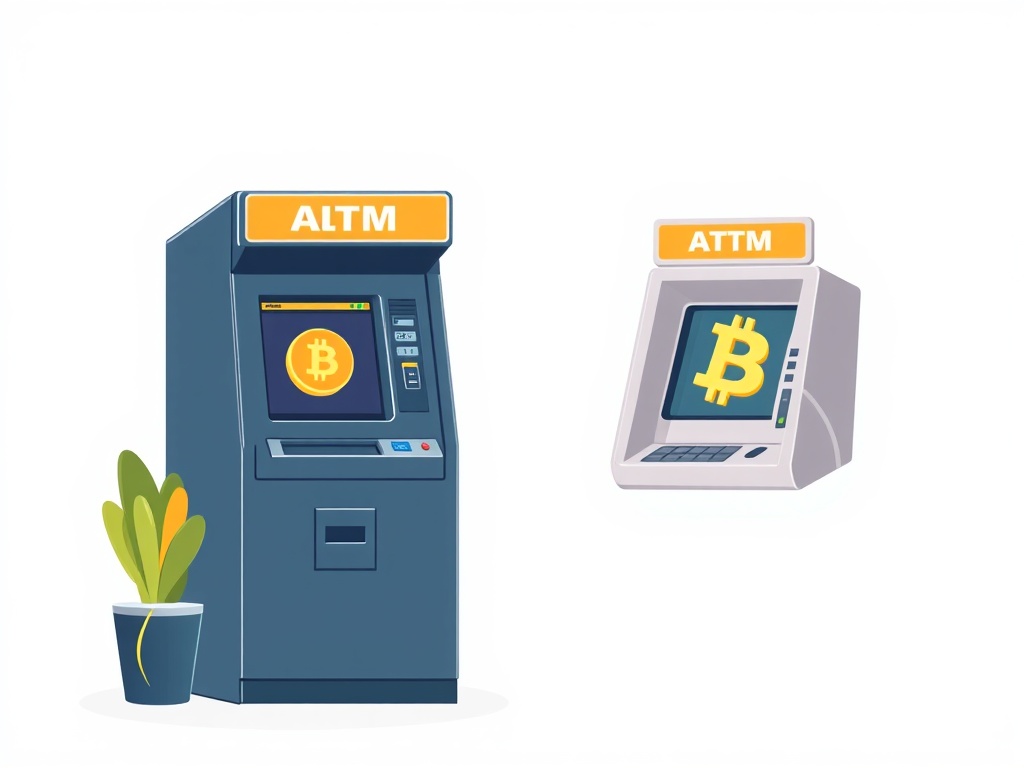
Understanding the Anonymous Bitcoin ATM: A Complete Guide to Private Cryptocurrency Transactions
In an era where digital privacy is increasingly under scrutiny, the anonymous bitcoin ATM has emerged as a powerful tool for individuals seeking to transact in cryptocurrency without revealing their identity. These specialized machines, often referred to as Bitcoin ATMs or BTMs, offer a unique blend of convenience and anonymity, allowing users to buy or sell Bitcoin and other cryptocurrencies with minimal personal information. As governments and financial institutions tighten regulations around digital transactions, the demand for anonymous bitcoin ATM services has surged, making them a critical component of the modern crypto ecosystem.
This comprehensive guide explores the ins and outs of anonymous bitcoin ATM machines, including how they work, their benefits and risks, legal considerations, and tips for using them safely. Whether you're a seasoned crypto enthusiast or a newcomer looking to maintain financial privacy, this article will provide the insights you need to navigate the world of anonymous Bitcoin ATMs with confidence.
What Is an Anonymous Bitcoin ATM and How Does It Work?
An anonymous bitcoin ATM is a self-service kiosk that allows users to buy or sell Bitcoin and other cryptocurrencies without the need for a traditional bank account or extensive identity verification. Unlike conventional Bitcoin ATMs that may require government-issued IDs, phone numbers, or even facial recognition, anonymous bitcoin ATM machines prioritize user privacy by minimizing data collection. These machines are often found in convenience stores, gas stations, shopping malls, and other high-traffic areas, making them accessible to a broad audience.
Key Features of Anonymous Bitcoin ATMs
- No ID Verification Required: Most anonymous bitcoin ATM machines operate on a "no-KYC" (Know Your Customer) basis, meaning users can transact without submitting government-issued identification. This is a significant advantage for those who value privacy or reside in regions with strict financial surveillance.
- Cash or Card Transactions: Users can typically deposit cash or use debit/credit cards to purchase Bitcoin. Some machines also support selling Bitcoin for cash, providing a seamless two-way transaction experience.
- Limited Transaction Limits: Due to regulatory constraints in many jurisdictions, anonymous bitcoin ATM machines often impose lower transaction limits compared to verified exchanges. For example, daily purchase limits might range from $500 to $10,000, depending on the machine and local laws.
- Instant Transactions: Unlike traditional banking systems that may take days to process transactions, anonymous bitcoin ATM machines facilitate near-instant transfers, with Bitcoin typically delivered to the user's wallet within minutes.
- User-Friendly Interface: Most machines feature touchscreen displays with step-by-step instructions, making them accessible even to those with limited technical experience.
How an Anonymous Bitcoin ATM Processes Transactions
The process of using an anonymous bitcoin ATM is straightforward and can be broken down into a few simple steps:
- Select Your Transaction Type: Choose whether you want to buy or sell Bitcoin. Some machines also support other cryptocurrencies like Ethereum or Litecoin.
- Enter Your Wallet Address: For purchases, you'll need to provide a Bitcoin wallet address where the funds will be sent. This can be a software wallet (e.g., Trust Wallet, Exodus) or a hardware wallet (e.g., Ledger, Trezor). For sales, the machine will generate a QR code for you to send your Bitcoin to.
- Insert Cash or Swipe Card: If buying Bitcoin, insert cash into the machine or swipe your debit/credit card. The machine will display the equivalent amount of Bitcoin you'll receive based on the current exchange rate.
- Confirm and Receive Bitcoin: Review the transaction details, confirm the purchase, and the Bitcoin will be sent to your wallet address. For sales, send the Bitcoin to the provided address, and the machine will dispense cash once the transaction is confirmed on the blockchain.
- Keep Your Receipt: Some machines provide a printed receipt with transaction details, including the wallet address and transaction ID. This can be useful for record-keeping or tax purposes.
It's important to note that while anonymous bitcoin ATM machines prioritize privacy, they are not entirely untraceable. Blockchain analysis tools can still track transactions, and law enforcement agencies may request transaction logs from machine operators in certain cases. However, the level of anonymity provided by these machines is significantly higher than that of traditional exchanges.
Benefits of Using an Anonymous Bitcoin ATM
The primary appeal of an anonymous bitcoin ATM lies in its ability to facilitate private cryptocurrency transactions. Below are some of the key benefits that make these machines an attractive option for crypto users:
1. Enhanced Financial Privacy
One of the most compelling reasons to use an anonymous bitcoin ATM is the ability to keep your financial activities private. Traditional banking systems and cryptocurrency exchanges often require extensive identity verification, which can expose your transaction history to third parties, including governments, employers, or even hackers. By using an anonymous bitcoin ATM, you can purchase Bitcoin without linking your identity to the transaction, reducing the risk of surveillance or data breaches.
This level of privacy is particularly valuable for individuals living in countries with oppressive financial regulations, as well as those who wish to keep their crypto investments discreet from family members, business partners, or competitors.
2. No Bank Account Required
Many people, particularly in underbanked regions or those with poor credit, struggle to access traditional financial services. An anonymous bitcoin ATM eliminates this barrier by allowing users to buy Bitcoin with cash or a debit card, without the need for a bank account. This makes cryptocurrency accessible to a broader audience, including the unbanked and underbanked populations.
3. Speed and Convenience
Unlike traditional exchanges that may take days to process withdrawals or require lengthy verification processes, anonymous bitcoin ATM machines offer near-instant transactions. Whether you're buying Bitcoin for a quick trade or selling it for cash, the process is completed within minutes, making it ideal for those who need immediate access to funds.
4. Lower Fees Compared to Some Exchanges
While anonymous bitcoin ATM machines often charge higher fees than peer-to-peer exchanges or decentralized platforms, they can still be more cost-effective than traditional banking methods, especially for international transactions. The convenience of using a local machine may outweigh the slightly higher fees for many users.
5. Accessibility in Remote or Underserved Areas
Bitcoin ATMs, including anonymous bitcoin ATM models, are often located in convenience stores, gas stations, and shopping centers, making them accessible even in areas where traditional crypto exchanges are unavailable. This widespread availability ensures that users in rural or remote locations can still participate in the cryptocurrency economy.
6. Reduced Risk of Account Freezes or Seizures
Cryptocurrency exchanges and bank accounts can be frozen or seized by authorities for various reasons, including regulatory compliance issues or suspicious activity flags. By using an anonymous bitcoin ATM, you avoid the risk of having your funds frozen or your account locked, as the transaction is completed in a decentralized manner without a central authority.
Potential Risks and Drawbacks of Anonymous Bitcoin ATMs
While anonymous bitcoin ATM machines offer significant advantages, they are not without risks. It's essential to weigh the benefits against the potential drawbacks before using one. Below are some of the key risks associated with these machines:
1. Higher Transaction Fees
One of the most common criticisms of anonymous bitcoin ATM machines is their high transaction fees. These fees can range from 5% to 15% of the transaction amount, significantly higher than the fees charged by traditional exchanges or peer-to-peer platforms. The higher fees are often justified by the convenience and privacy offered, but they can add up for frequent users.
2. Limited Transaction Limits
Due to regulatory requirements in many jurisdictions, anonymous bitcoin ATM machines impose strict transaction limits to comply with anti-money laundering (AML) and counter-terrorism financing (CTF) laws. For example, a machine might limit daily purchases to $1,000 or weekly purchases to $5,000. While these limits protect the operator from legal scrutiny, they can be restrictive for users looking to make large transactions.
3. Potential for Scams and Fraud
As with any financial transaction involving cash or cryptocurrency, there is a risk of scams when using an anonymous bitcoin ATM. Common scams include:
- Fake ATMs: Fraudsters may set up counterfeit Bitcoin ATMs that appear legitimate but are designed to steal your funds or personal information. Always verify the machine's legitimacy by checking for official branding, customer reviews, or operator details.
- QR Code Tampering: Some scammers may replace the QR code on the machine with their own, redirecting your Bitcoin to their wallet instead of yours. Always double-check the wallet address displayed on the machine before confirming the transaction.
- Cash Trapping: In rare cases, criminals may tamper with the machine to trap your cash or card, then demand additional funds to release it. If a machine appears suspicious or malfunctions, do not proceed with the transaction.
4. Lack of Customer Support
Unlike traditional banks or exchanges, anonymous bitcoin ATM machines typically do not offer customer support. If a transaction fails, funds are sent to the wrong address, or the machine malfunctions, users may have little recourse for recovering their money. It's crucial to double-check all transaction details before proceeding and keep records of your receipts in case of disputes.
5. Regulatory Uncertainty
The legal status of anonymous bitcoin ATM machines varies by country and even by state or province. Some jurisdictions have strict regulations on cryptocurrency transactions, while others have banned Bitcoin ATMs altogether. Before using an anonymous bitcoin ATM, research the local laws to ensure compliance and avoid potential legal issues.
6. Security Risks for Wallet Holders
While the anonymous bitcoin ATM itself may prioritize privacy, the security of your Bitcoin wallet is entirely your responsibility. If you use a software wallet with poor security practices (e.g., weak passwords, unencrypted backups), your funds could be at risk of theft. Always use a secure wallet, enable two-factor authentication (2FA), and consider using a hardware wallet for large holdings.
How to Use an Anonymous Bitcoin ATM Safely: A Step-by-Step Guide
Using an anonymous bitcoin ATM safely requires a combination of vigilance, preparation, and common sense. Below is a step-by-step guide to help you navigate the process while minimizing risks:
Step 1: Locate a Reputable Anonymous Bitcoin ATM
Before heading to an anonymous bitcoin ATM, research machines in your area to ensure they are legitimate and well-reviewed. Use online directories such as Coin ATM Radar or BTC Map to find nearby machines. Look for machines operated by reputable companies like General Bytes, Coinme, or BitAccess, as these brands are more likely to adhere to security and compliance standards.
When visiting the machine, check for the following signs of legitimacy:
- Official branding and logos of the operator.
- A secure, well-lit location (avoid machines in isolated or poorly monitored areas).
- Clear instructions and contact information for customer support.
- No signs of tampering, such as loose wires, scratched screens, or mismatched QR codes.
Step 2: Prepare Your Bitcoin Wallet
Before using an anonymous bitcoin ATM, ensure you have a secure Bitcoin wallet ready to receive your funds. If you're buying Bitcoin, you'll need to provide a wallet address where the funds will be sent. If you're selling Bitcoin, you'll need to send your funds to the address generated by the machine.
Consider the following wallet options:
- Software Wallets: Mobile or desktop wallets like Trust Wallet, Exodus, or Electrum are convenient for small to medium transactions. Ensure you back up your seed phrase securely.
- Hardware Wallets: For larger transactions, use a hardware wallet like Ledger or Trezor to store your Bitcoin offline and protect against hacking.
- Paper Wallets: While less common, paper wallets can be a secure option for long-term storage, as they are not connected to the internet.
Pro Tip: Always test your wallet by sending a small amount of Bitcoin first to ensure it works correctly before making a larger transaction.
Step 3: Choose the Right Transaction Type
Most anonymous bitcoin ATM machines offer two primary transaction types: buying Bitcoin or selling Bitcoin. Some machines may also support other cryptocurrencies like Ethereum or Litecoin. Select the option that aligns with your needs:
- Buying Bitcoin: Ideal for users who want to purchase Bitcoin with cash or a card without revealing their identity.
- Selling Bitcoin: Useful for converting Bitcoin to cash, which can then be withdrawn from the machine.
Before proceeding, check the machine's display for any additional fees, exchange rates, or transaction limits. Some machines may offer better rates than others, so it's worth comparing options if multiple machines are available in your area.
Step 4: Follow the On-Screen Instructions Carefully
Once you've selected your transaction type, the machine will guide you through the process with on-screen instructions. Pay close attention to the following details:
- Wallet Address: Double-check the wallet address displayed on the machine before confirming. A single typo or misplaced character can result in lost funds.
- Transaction Amount: Verify the amount of Bitcoin you're receiving (or the cash you're withdrawing) and ensure it matches your expectations based on the current exchange rate.
- Fees: Confirm the transaction fees before proceeding. Some machines may display the fee as a percentage, while others may include it in the exchange rate.
If anything seems unclear or suspicious, do not proceed with the transaction. Contact the machine operator's customer support for clarification if necessary.
Step 5: Complete the Transaction and Verify Receipt
After confirming the transaction details, follow the machine's instructions to complete the purchase or sale. For buying Bitcoin:
- Insert cash into the machine or swipe your card.
- Wait for the Bitcoin to be sent to your wallet (this typically takes a few minutes).
- Check your wallet to confirm the transaction was successful.
- Save or print the receipt for your records.
For selling Bitcoin:
- Send your Bitcoin to the address provided by the machine (ensure you're sending the correct amount).
- Wait for the transaction to be confirmed on the blockchain (this may take a few minutes to an hour).
- Once confirmed, the machine will dispense cash. Collect your funds and verify the amount.
- Save or print the receipt for your records.
Important: Never leave the machine until you've confirmed that the transaction was successful. If the Bitcoin isn't received in your wallet or the cash isn't dispensed, contact the machine operator immediately.
Step 6: Secure Your Funds and Monitor Transactions
After completing your transaction, take steps to secure your Bitcoin and monitor future activity:
- Transfer Funds to a Secure Wallet: If you're holding a significant amount of Bitcoin, consider transferring it to a hardware wallet or a more secure software wallet.
- Enable Notifications: Set up transaction alerts in your wallet app to monitor incoming and outgoing transactions.
- Keep Records: Maintain a record of your receipts and transaction IDs for tax purposes or in case of disputes.
- Avoid Reusing Addresses: For added privacy, use a new Bitcoin address for each transaction to prevent linking your transactions to a single identity.
Legal and Regulatory Considerations for Anonymous Bitcoin ATMs
The legal landscape surrounding anonymous bitcoin ATM machines is complex and varies significantly by jurisdiction. While these machines offer unparalleled privacy, they also operate in a regulatory gray area that can pose risks for users and operators alike. Understanding the legal and regulatory considerations is crucial for anyone looking to use or operate an anonymous bitcoin ATM.
Global Regulatory Landscape
The regulation of cryptocurrency ATMs, including anonymous
As a DeFi and Web3 analyst, I’ve observed the growing adoption of anonymous Bitcoin ATMs as a bridge between digital and physical financial systems. These machines, which allow users to buy or sell Bitcoin without stringent KYC/AML checks, cater to privacy-conscious individuals but also introduce significant compliance and security challenges. From a technical standpoint, their operation relies on decentralized networks and peer-to-peer transactions, which inherently resist traditional surveillance mechanisms. However, this lack of oversight raises red flags for regulators, particularly in jurisdictions like the EU and U.S., where financial transparency is increasingly mandated. For investors and users, the appeal is clear: anonymity and accessibility. Yet, the trade-off—potential exposure to illicit activities or sudden regulatory crackdowns—demands careful risk assessment. Practically, anonymous Bitcoin ATMs serve as a litmus test for the broader tension between decentralization and regulatory compliance. While they empower users to transact without centralized intermediaries, their long-term viability hinges on adaptability. Forward-thinking operators are already integrating hybrid models, such as tiered verification for larger transactions, to balance privacy with compliance. For DeFi enthusiasts, these ATMs highlight a critical question: Can privacy-preserving financial tools coexist with evolving global regulations? The answer may lie in self-custody solutions and decentralized identity protocols, which could offer a middle ground. Until then, users must weigh the allure of anonymity against the risks of operating in a gray area—where innovation and enforcement are locked in a high-stakes tug-of-war.
The Rise of Anonymous Bitcoin ATMs: Privacy, Risks, and Regulatory Crossroads