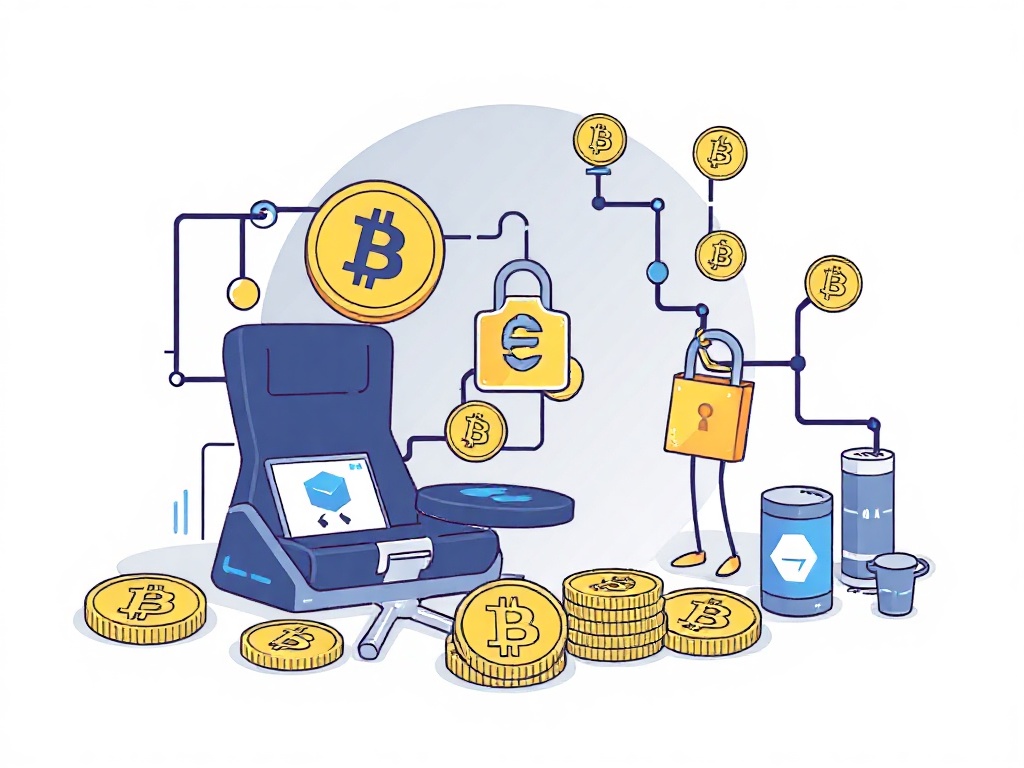

Understanding Sender Receiver Masking in BTCmixer: Enhancing Privacy in Bitcoin Transactions

Understanding Sender Receiver Masking in BTCmixer: Enhancing Privacy in Bitcoin Transactions
In the evolving landscape of cryptocurrency, privacy remains a paramount concern for users seeking to maintain anonymity while transacting with Bitcoin. One of the most effective techniques to achieve this is sender receiver masking, a process that obscures the identities of parties involved in a transaction. This article delves into the intricacies of sender receiver masking within the context of BTCmixer, a leading Bitcoin mixing service designed to enhance transactional privacy.
As Bitcoin transactions are inherently transparent and traceable on the blockchain, users often turn to mixing services like BTCmixer to break the link between their sending and receiving addresses. Sender receiver masking plays a pivotal role in this process by ensuring that the origin and destination of funds remain indistinguishable. This comprehensive guide will explore the mechanisms, benefits, and practical applications of sender receiver masking in BTCmixer, providing readers with a thorough understanding of how this technique safeguards their financial privacy.
The Fundamentals of Sender Receiver Masking in Bitcoin Transactions
What is Sender Receiver Masking?
Sender receiver masking refers to the process of obfuscating the relationship between the sender and receiver of Bitcoin transactions. In a traditional Bitcoin transaction, the blockchain records the sender's address, the receiver's address, and the amount transferred. This transparency, while beneficial for auditability, poses significant privacy risks. Sender receiver masking disrupts this transparency by introducing intermediaries or mixing pools that shuffle funds, making it exceedingly difficult to trace the original sender or final receiver.
In the context of BTCmixer, sender receiver masking is achieved through a sophisticated mixing algorithm that pools together funds from multiple users. These pooled funds are then redistributed to the intended recipients in a manner that severs the direct link between the original sender and the final receiver. This process is particularly valuable for users who wish to maintain financial privacy, whether for personal, business, or security reasons.
Why is Sender Receiver Masking Necessary in Bitcoin?
Bitcoin's pseudonymous nature often leads users to mistakenly believe that their transactions are anonymous. However, blockchain analysis tools can trace transactions back to their origins by analyzing address clustering, transaction patterns, and other on-chain data. This vulnerability exposes users to risks such as identity theft, targeted attacks, or unwanted surveillance.
Sender receiver masking addresses these risks by introducing a layer of obfuscation that breaks the chain of traceability. By using a service like BTCmixer, users can effectively mask the sender and receiver of their transactions, ensuring that their financial activities remain private. This is especially crucial for individuals in regions with strict financial regulations or for those who prioritize their right to financial anonymity.
How BTCmixer Implements Sender Receiver Masking
BTCmixer employs a multi-step process to achieve sender receiver masking. The service begins by collecting Bitcoin deposits from multiple users into a shared pool. These deposits are then mixed using advanced cryptographic techniques, which randomize the distribution of funds. Finally, the mixed funds are sent to the intended recipients, ensuring that the original sender's address is no longer directly linked to the receiver's address.
The key steps in BTCmixer's sender receiver masking process include:
- Deposit Phase: Users send their Bitcoin to a shared pool managed by BTCmixer. This pool acts as a temporary holding area for all incoming funds.
- Mixing Phase: BTCmixer's algorithm shuffles the deposited funds, breaking the direct link between the sender and receiver. This phase may involve multiple rounds of mixing to enhance privacy.
- Distribution Phase: The mixed funds are redistributed to the intended recipients. Each recipient receives an amount equivalent to their original deposit, but the transaction history no longer traces back to the original sender.
By implementing these steps, BTCmixer ensures that sender receiver masking is both effective and efficient, providing users with a robust solution for maintaining transactional privacy.
The Role of Sender Receiver Masking in Enhancing Bitcoin Privacy
Breaking the Chain of Traceability
One of the primary benefits of sender receiver masking is its ability to break the chain of traceability in Bitcoin transactions. Traditional Bitcoin transactions leave a clear trail that can be followed by blockchain analysts or malicious actors. This trail includes the sender's address, the receiver's address, and the transaction amount. By using a mixing service like BTCmixer, users can sever this trail, making it virtually impossible to trace the origin or destination of their funds.
For example, consider a scenario where a user sends Bitcoin from Address A to Address B. Without sender receiver masking, blockchain analysts can easily trace this transaction and link Address A to Address B. However, if the user employs BTCmixer, the funds are first sent to a shared pool, mixed with other users' funds, and then redistributed to the intended recipient. This process ensures that Address A is no longer directly linked to Address B, effectively masking the sender and receiver.
Protecting Against Blockchain Analysis
Blockchain analysis tools have become increasingly sophisticated, allowing third parties to track Bitcoin transactions with alarming precision. These tools can identify patterns, cluster addresses, and even predict the flow of funds. Sender receiver masking serves as a powerful countermeasure to these tools, as it introduces randomness and unpredictability into the transaction process.
BTCmixer's implementation of sender receiver masking is particularly effective because it pools funds from multiple users and redistributes them in a randomized manner. This randomization makes it exceedingly difficult for blockchain analysts to reconstruct the transaction history, thereby protecting users from surveillance and tracking.
Ensuring Financial Anonymity for High-Risk Users
For individuals living in regions with oppressive financial regulations or for those who handle large sums of Bitcoin, maintaining financial anonymity is not just a preference but a necessity. Sender receiver masking provides these users with a critical layer of protection, shielding them from potential threats such as asset seizure, identity theft, or targeted attacks.
For instance, journalists, activists, or business owners operating in restrictive environments can use BTCmixer to mask the sender and receiver of their transactions, ensuring that their financial activities remain confidential. This level of privacy is essential for safeguarding personal safety and operational security in high-risk scenarios.
The Limitations of Sender Receiver Masking
While sender receiver masking is a powerful tool for enhancing Bitcoin privacy, it is not without its limitations. One of the primary challenges is the reliance on trust in the mixing service. Users must trust that BTCmixer will not log their transactions or fail to redistribute their funds correctly. To mitigate this risk, users should choose reputable mixing services with a proven track record of reliability and security.
Additionally, sender receiver masking may not be foolproof against advanced blockchain analysis techniques, particularly if the mixing service is compromised or if the user's transaction patterns are highly predictable. To maximize the effectiveness of sender receiver masking, users should combine it with other privacy-enhancing practices, such as using fresh addresses for each transaction and avoiding the reuse of Bitcoin addresses.
Practical Applications of Sender Receiver Masking with BTCmixer
Use Cases for Sender Receiver Masking
Sender receiver masking is not limited to a single use case; it serves a variety of practical applications for Bitcoin users. Some of the most common scenarios where sender receiver masking proves invaluable include:
- Personal Privacy: Individuals who wish to keep their financial activities private can use BTCmixer to mask the sender and receiver of their Bitcoin transactions.
- Business Transactions: Companies that handle large Bitcoin transactions can benefit from sender receiver masking to protect sensitive financial data and maintain competitive confidentiality.
- Cryptocurrency Trading: Traders who wish to obscure their trading activities from competitors or market analysts can use sender receiver masking to enhance their operational security.
- Gambling and Betting: Users of Bitcoin gambling platforms can use sender receiver masking to ensure that their gambling activities remain private and untraceable.
- Charitable Donations: Individuals who wish to donate Bitcoin anonymously can use BTCmixer to mask the sender and receiver, ensuring that their contributions remain confidential.
Step-by-Step Guide to Using BTCmixer for Sender Receiver Masking
To help users get started with sender receiver masking using BTCmixer, the following step-by-step guide outlines the process:
- Access the BTCmixer Platform: Visit the official BTCmixer website and navigate to the mixing service page.
- Generate a Deposit Address: Create a unique deposit address for your Bitcoin transaction. This address will be used to send your funds to the mixing pool.
- Send Bitcoin to the Deposit Address: Transfer the desired amount of Bitcoin to the generated deposit address. Ensure that you send the exact amount you wish to mix, as BTCmixer will redistribute the equivalent amount to your chosen recipient.
- Specify the Recipient Address: Enter the Bitcoin address of the intended recipient. This address will receive the mixed funds after the mixing process is complete.
- Set Mixing Parameters: Choose the desired mixing parameters, such as the number of mixing rounds or the delay between transactions. These parameters can be adjusted to enhance privacy or reduce processing time.
- Confirm and Initiate the Mixing Process: Review the transaction details and confirm the mixing process. BTCmixer will begin shuffling your funds with those of other users to achieve sender receiver masking.
- Receive Mixed Funds: Once the mixing process is complete, the mixed funds will be sent to the specified recipient address. The original sender's address will no longer be directly linked to the recipient's address.
Best Practices for Maximizing the Effectiveness of Sender Receiver Masking
To ensure that sender receiver masking is as effective as possible, users should follow these best practices:
- Use Fresh Addresses: Avoid reusing Bitcoin addresses, as this can compromise the effectiveness of sender receiver masking. Instead, generate a new address for each transaction.
- Choose a Reputable Mixing Service: Select a mixing service with a proven track record of reliability and security. BTCmixer is a trusted name in the industry, known for its commitment to user privacy.
- Adjust Mixing Parameters: Customize the mixing parameters to suit your privacy needs. For example, increasing the number of mixing rounds can enhance privacy but may also increase processing time.
- Monitor Transaction Confirmations: Keep an eye on the transaction confirmations to ensure that the mixing process is proceeding as expected. Delays or issues should be addressed promptly.
- Combine with Other Privacy Tools: Use additional privacy-enhancing tools, such as VPNs or Tor, in conjunction with sender receiver masking to further obscure your online activities.
Common Mistakes to Avoid When Using Sender Receiver Masking
While sender receiver masking is a powerful tool, users should be aware of common mistakes that can undermine its effectiveness:
- Reusing Addresses: Reusing Bitcoin addresses can create a trail that links multiple transactions, compromising the effectiveness of sender receiver masking.
- Using Small Amounts: Mixing small amounts of Bitcoin may not provide sufficient obfuscation, as blockchain analysts can more easily trace smaller transactions.
- Ignoring Mixing Parameters: Failing to customize mixing parameters can result in suboptimal privacy. Users should adjust these parameters to suit their specific needs.
- Not Verifying the Mixing Service: Choosing an untrustworthy mixing service can lead to lost funds or compromised privacy. Always verify the reputation and security measures of the mixing service.
- Failing to Monitor Transactions: Neglecting to monitor the mixing process can result in delays or issues going unnoticed. Users should actively track their transactions to ensure a smooth process.
Advanced Techniques and Considerations for Sender Receiver Masking
Multi-Round Mixing for Enhanced Privacy
For users seeking the highest level of privacy, multi-round mixing is an advanced technique that can significantly enhance the effectiveness of sender receiver masking. In multi-round mixing, funds are shuffled multiple times through the mixing pool, further obfuscating the transaction trail.
BTCmixer supports multi-round mixing, allowing users to customize the number of mixing rounds to suit their privacy needs. While increasing the number of rounds enhances privacy, it also extends the processing time. Users should weigh the trade-off between privacy and convenience when selecting the number of mixing rounds.
The Role of Delayed Transactions in Sender Receiver Masking
Another advanced technique for enhancing sender receiver masking is the use of delayed transactions. By introducing a delay between the mixing rounds, users can further obscure the transaction trail. This delay makes it more difficult for blockchain analysts to correlate the input and output addresses, thereby enhancing privacy.
BTCmixer allows users to set custom delays between mixing rounds, providing an additional layer of obfuscation. Users should consider the balance between privacy and processing time when configuring these delays.
Combining Sender Receiver Masking with CoinJoin
CoinJoin is a popular privacy-enhancing technique that combines multiple transactions into a single transaction, making it difficult to distinguish between the senders and receivers. By combining sender receiver masking with CoinJoin, users can achieve an even higher level of privacy.
BTCmixer incorporates CoinJoin-like functionality into its mixing process, further enhancing the effectiveness of sender receiver masking. Users can leverage this feature to maximize their transactional privacy.
Legal and Ethical Considerations of Sender Receiver Masking
While sender receiver masking is a powerful tool for enhancing privacy, it is important to consider the legal and ethical implications of its use. In some jurisdictions, the use of mixing services may be subject to regulatory scrutiny or outright prohibition. Users should familiarize themselves with the legal landscape in their region before using sender receiver masking.
Ethically, sender receiver masking can be used for both legitimate and illegitimate purposes. While it is a valuable tool for protecting financial privacy, it can also be exploited for money laundering or other illicit activities. Users should exercise responsibility and discretion when using sender receiver masking to ensure that their actions align with ethical standards.
Future Developments in Sender Receiver Masking Technology
The field of sender receiver masking is continually evolving, with new technologies and techniques emerging to enhance Bitcoin privacy. Some of the most promising developments include:
- Zero-Knowledge Proofs: Zero-knowledge proofs are cryptographic techniques that allow users to prove the validity of a transaction without revealing the transaction details. This technology has the potential to revolutionize sender receiver masking by providing a higher level of privacy.
- Decentralized Mixing Services: Decentralized mixing services leverage blockchain technology to create trustless mixing pools, eliminating the need to rely on a central authority. These services are expected to gain popularity as users seek more secure and transparent mixing solutions.
- Enhanced Cryptographic Techniques: Advances in cryptography, such as homomorphic encryption and secure multi-party computation, are being explored to further enhance the effectiveness of sender receiver masking.
As these technologies mature, users can expect even more robust and user-friendly solutions for sender receiver masking, further solidifying Bitcoin's role as a privacy-preserving financial tool.
Comparing BTCmixer with Other Bitcoin Mixing Services
BTCmixer vs. Traditional Mixing Services
Traditional mixing services often rely on a centralized model, where users deposit funds into a shared pool managed by a third party. While this model is effective for sender receiver masking, it introduces trust dependencies, as users must rely on the mixing service to handle their funds securely and redistribute them correctly.
BTCmixer addresses these trust dependencies by implementing a transparent and user-friendly mixing process. The platform provides real-time updates on the mixing status, allowing users to track their transactions with confidence. Additionally, BTCmixer's commitment to privacy and security sets it apart from many traditional mixing services.
BTCmixer vs. Decentralized Mixing Services
Decentralized mixing services, such as Wasabi Wallet or Samourai Wallet, leverage blockchain technology to create trustless mixing pools. These services eliminate the need for a central authority, reducing the risk of fund mismanagement or theft. However, decentralized mixing services often require users to have a certain level of technical expertise, as they may involve complex setup processes.

As the Blockchain Research Director at a leading fintech research firm, I’ve observed that sender receiver masking is emerging as a critical innovation in privacy-preserving transaction systems. This technique, which obscures the identities of parties involved in blockchain interactions, addresses one of the most persistent challenges in distributed ledger technology: the tension between transparency and confidentiality. In my eight years of experience in distributed ledger technology, I’ve seen firsthand how traditional blockchain networks—while revolutionary in their immutability—often sacrifice user privacy for auditability. Sender receiver masking flips this paradigm by leveraging zero-knowledge proofs, stealth addresses, or ring signatures to decouple transaction linkage from identifiable metadata. For enterprises and financial institutions, this isn’t just a theoretical advantage; it’s a practical necessity to comply with evolving privacy regulations like GDPR while maintaining the integrity of audit trails.
From a technical standpoint, the implementation of sender receiver masking requires careful consideration of trade-offs between performance, security, and usability. For instance, while zk-SNARKs offer robust privacy guarantees, they introduce computational overhead that can bottleneck high-throughput networks. In my work with cross-chain interoperability solutions, I’ve found that hybrid approaches—combining on-chain masking with off-chain identity attestations—often strike the optimal balance. Additionally, the rise of programmable privacy, as seen in projects like Aztec or Tornado Cash, demonstrates how sender receiver masking can be tailored to specific use cases, whether for institutional settlements or retail payments. The key takeaway? Privacy isn’t a one-size-fits-all feature; it must be engineered with the same rigor as scalability or smart contract security. As blockchain adoption accelerates, sender receiver masking will transition from a niche tool to a foundational component of next-generation financial infrastructure.