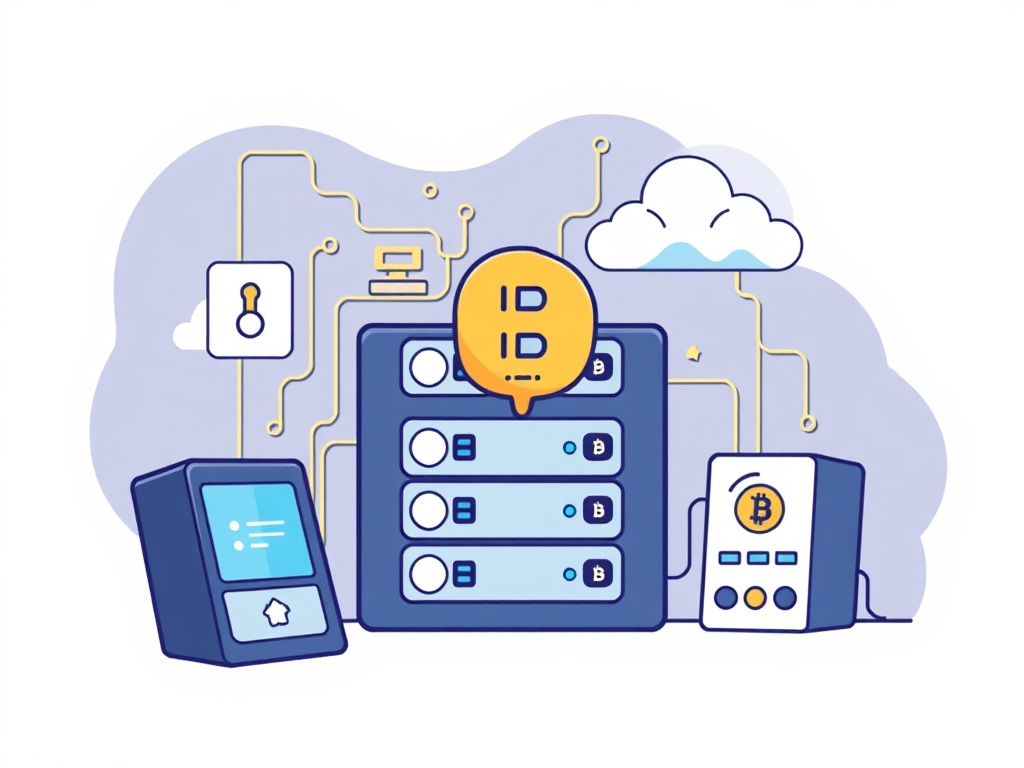

The Ultimate Guide to Understanding the Encrypted Memo Field in BTCmixer for Enhanced Privacy
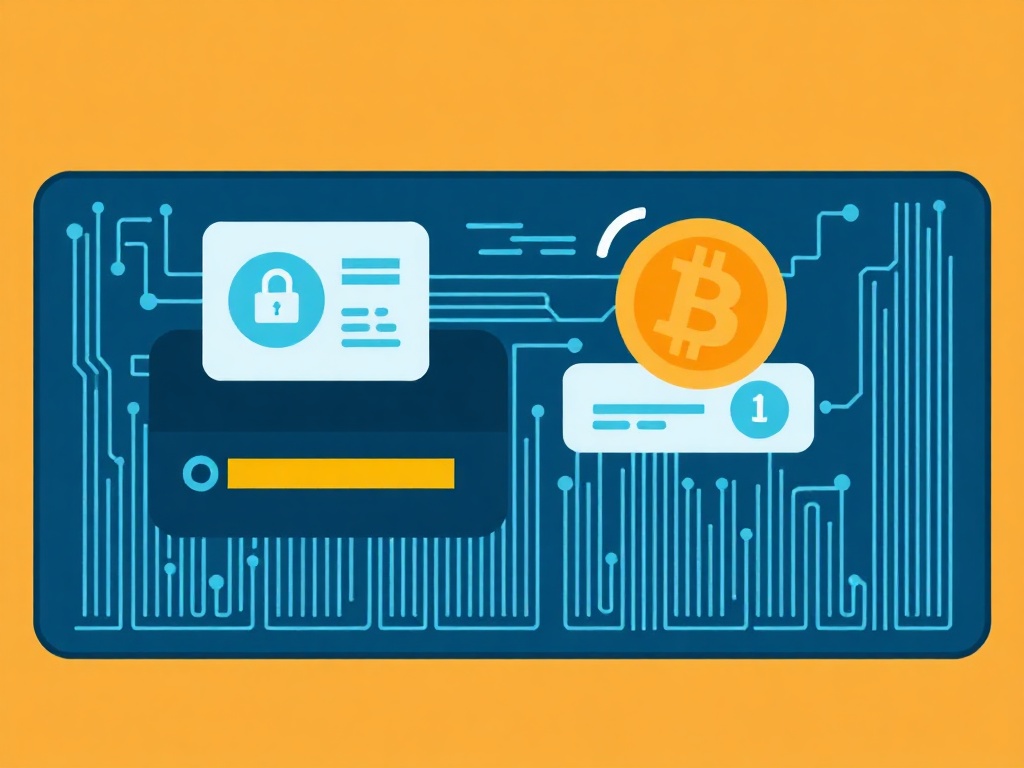
The Ultimate Guide to Understanding the Encrypted Memo Field in BTCmixer for Enhanced Privacy
In the ever-evolving landscape of cryptocurrency transactions, privacy remains a top priority for users seeking to protect their financial activities from prying eyes. One of the most powerful tools in this pursuit is the encrypted memo field, a feature that has become increasingly integral to services like BTCmixer. This comprehensive guide delves into the intricacies of the encrypted memo field, its functionality, benefits, and how it can be leveraged to maximize privacy when using BTCmixer.
As digital currencies continue to gain mainstream adoption, the need for robust privacy solutions has never been more critical. The encrypted memo field serves as a cornerstone in this ecosystem, offering users a way to obfuscate transaction details while maintaining the integrity of their transfers. Whether you're a seasoned crypto enthusiast or a newcomer to the world of Bitcoin mixing, understanding the encrypted memo field is essential for safeguarding your financial privacy.
What Is an Encrypted Memo Field and How Does It Work in BTCmixer?
The Basics of Encrypted Memo Fields in Cryptocurrency Transactions
An encrypted memo field is a feature integrated into certain cryptocurrency transactions that allows users to attach additional encrypted information to their transfers. Unlike traditional transaction memos, which are often visible to anyone with access to the blockchain, an encrypted memo field ensures that the information remains confidential and accessible only to the intended recipient.
In the context of BTCmixer, the encrypted memo field plays a pivotal role in enhancing transaction privacy. When users send Bitcoin through BTCmixer, they can include an encrypted memo that contains details such as the purpose of the transaction, the sender's identity (if applicable), or any other relevant information. This memo is then encrypted using advanced cryptographic techniques, ensuring that only the recipient—who possesses the decryption key—can access the contents.
How BTCmixer Utilizes the Encrypted Memo Field for Privacy
BTCmixer is a Bitcoin mixing service designed to obscure the trail of transactions on the blockchain, making it difficult for third parties to trace the flow of funds. The encrypted memo field is a key component of this process, as it allows users to add an extra layer of obfuscation to their transactions. By encrypting the memo, BTCmixer ensures that even if someone intercepts the transaction, they cannot decipher the attached information without the proper decryption key.
Here’s a step-by-step breakdown of how the encrypted memo field works within BTCmixer:
- Transaction Initiation: The user initiates a Bitcoin transaction through BTCmixer, specifying the amount and the recipient address.
- Memo Attachment: The user has the option to include an encrypted memo field with the transaction. This memo can contain any information the user deems necessary, such as a reference number, a message to the recipient, or additional transaction details.
- Encryption Process: The memo is encrypted using a secure cryptographic algorithm, such as AES (Advanced Encryption Standard), before being attached to the transaction.
- Transaction Processing: BTCmixer processes the transaction, mixing the user’s Bitcoin with other transactions to obscure the origin and destination of the funds.
- Memo Delivery: The encrypted memo is delivered to the recipient along with the Bitcoin. The recipient can then decrypt the memo using the shared decryption key, revealing the original message or information.
This process ensures that the encrypted memo field remains secure and private, even in the event of a blockchain analysis or a data breach.
Why Use an Encrypted Memo Field in BTCmixer Transactions?
The Privacy Benefits of Using an Encrypted Memo Field
The primary advantage of using an encrypted memo field in BTCmixer transactions is the enhanced privacy it provides. Traditional transaction memos are often visible on the blockchain, leaving a trail of information that can be traced back to the sender or recipient. By contrast, an encrypted memo field ensures that the information remains confidential, protecting users from potential privacy breaches.
Some of the key privacy benefits of using an encrypted memo field include:
- Confidentiality: The memo is encrypted, meaning that only the intended recipient can access its contents. This prevents unauthorized parties from intercepting and reading sensitive information.
- Obfuscation: The encrypted memo field adds another layer of obfuscation to the transaction, making it more difficult for blockchain analysts to trace the flow of funds.
- Customization: Users can include any information they deem necessary in the memo, such as transaction references, messages, or additional details, without compromising privacy.
- Compliance: For users who need to comply with specific financial regulations, the encrypted memo field provides a secure way to include necessary information without exposing it to the public.
Use Cases for the Encrypted Memo Field in BTCmixer
The encrypted memo field is not just a theoretical concept; it has practical applications in real-world scenarios. Here are some common use cases for the encrypted memo field in BTCmixer transactions:
Business Transactions
For businesses that deal with cryptocurrency, the encrypted memo field can be used to include invoices, payment references, or other transaction details without exposing them to competitors or the public. This is particularly useful for companies that need to maintain confidentiality in their financial dealings.
Personal Transactions
Individuals who wish to send Bitcoin to friends or family members can use the encrypted memo field to include personal messages or instructions. For example, a parent sending Bitcoin to a child for college expenses can include a memo with details about the purpose of the funds, ensuring that the child understands the transaction’s intent.
Charitable Donations
Non-profit organizations and charities often rely on cryptocurrency donations. The encrypted memo field allows donors to include a message or reference number, ensuring that the charity can properly acknowledge the donation without exposing the donor’s identity or the transaction details to the public.
Escrow Services
In escrow transactions, the encrypted memo field can be used to include terms and conditions, payment schedules, or other relevant information. This ensures that all parties involved in the transaction have access to the necessary details while maintaining confidentiality.
How to Use the Encrypted Memo Field in BTCmixer: A Step-by-Step Guide
Step 1: Accessing the Encrypted Memo Field in BTCmixer
Before you can use the encrypted memo field, you need to ensure that you’re using a version of BTCmixer that supports this feature. Most modern Bitcoin mixing services, including BTCmixer, offer the encrypted memo field as part of their standard interface. To access it, follow these steps:
- Log in to your BTCmixer account or navigate to the BTCmixer website.
- Select the option to initiate a new transaction.
- Enter the recipient’s Bitcoin address in the designated field.
- Look for an option labeled “Add Encrypted Memo” or “Include Memo.” This may appear as a checkbox, a dropdown menu, or a text field, depending on the interface.
- Click on the option to enable the encrypted memo field.
Step 2: Crafting Your Encrypted Memo
Once you’ve enabled the encrypted memo field, the next step is to craft the memo itself. The memo can contain any information you deem necessary, but it’s important to keep it concise and relevant to the transaction. Here are some tips for crafting an effective encrypted memo:
- Be Clear and Concise: Avoid including unnecessary details that could clutter the memo. Stick to the essential information, such as a transaction reference or a brief message.
- Use a Secure Format: If you’re including sensitive information, such as account numbers or personal details, ensure that the memo is encrypted properly. BTCmixer will handle the encryption process, but you should still exercise caution when crafting the memo.
- Avoid Personal Identifiable Information (PII): While the encrypted memo field provides privacy, it’s still a good practice to avoid including highly sensitive personal information, such as social security numbers or passwords.
- Include a Reference Number: If the transaction is part of a larger financial activity, such as a business transaction or a charitable donation, including a reference number can help the recipient track and acknowledge the payment.
Step 3: Sending the Transaction with the Encrypted Memo
After crafting your memo, the final step is to send the transaction with the encrypted memo field attached. Here’s how to do it:
- Double-check the recipient’s Bitcoin address to ensure accuracy.
- Review the memo to confirm that it contains the correct information.
- Enter the amount of Bitcoin you wish to send.
- Click the “Send” or “Confirm” button to initiate the transaction.
- BTCmixer will process the transaction, mixing your Bitcoin with other transactions to obscure the trail.
- Once the transaction is complete, the recipient will receive the Bitcoin along with the encrypted memo. They can then decrypt the memo using the shared decryption key to access the original message.
Troubleshooting Common Issues with the Encrypted Memo Field
While the encrypted memo field is a powerful tool, users may encounter some common issues when using it in BTCmixer. Here are a few troubleshooting tips to help you resolve any problems:
Memo Not Delivered
If the recipient does not receive the encrypted memo, it could be due to a few reasons:
- Incorrect Recipient Address: Double-check that the recipient’s Bitcoin address is correct. If the address is invalid, the memo may not be delivered.
- Memo Size Limit: Some Bitcoin wallets or services have size limits for transaction memos. If your memo exceeds the limit, it may be truncated or not delivered at all. Keep your memo concise to avoid this issue.
- Wallet Compatibility: Not all Bitcoin wallets support encrypted memos. Ensure that the recipient is using a wallet that is compatible with this feature.
Memo Not Decrypting
If the recipient is unable to decrypt the memo, it could be due to:
- Incorrect Decryption Key: The recipient must have the correct decryption key to access the memo. Ensure that the key is shared securely with the recipient.
- Technical Issues: If the memo was not encrypted properly during the transaction, it may not be decryptable. Double-check the encryption process in BTCmixer to ensure that the memo was encrypted correctly.
- Wallet Software Issues: Some wallet software may not support the decryption of memos. Ensure that the recipient is using a wallet that is compatible with encrypted memos.
Security Considerations for the Encrypted Memo Field in BTCmixer
Best Practices for Securing Your Encrypted Memo Field
While the encrypted memo field provides a high level of privacy, it’s important to follow best practices to ensure that your memos remain secure. Here are some tips to help you protect your encrypted memos:
- Use Strong Encryption: Ensure that the encryption algorithm used by BTCmixer is robust and up-to-date. Avoid using outdated or weak encryption methods, as they may be vulnerable to attacks.
- Share Decryption Keys Securely: If you need to share the decryption key with the recipient, do so through a secure channel, such as encrypted messaging or a secure file-sharing service. Avoid sending the key via email or unencrypted messaging platforms.
- Regularly Update Your Software: Keep your BTCmixer software and wallet up-to-date to ensure that you’re using the latest security features and encryption standards.
- Monitor Transaction Activity: Regularly review your transaction history to ensure that all memos are being delivered and decrypted correctly. If you notice any discrepancies, investigate them immediately.
Potential Risks and How to Mitigate Them
While the encrypted memo field is a powerful tool for enhancing privacy, it’s not without its risks. Here are some potential risks associated with using the encrypted memo field in BTCmixer and how to mitigate them:
Data Breaches
If BTCmixer or the recipient’s wallet experiences a data breach, the encrypted memos could be compromised. To mitigate this risk:
- Use a Reputable Service: Choose a well-established and reputable Bitcoin mixing service like BTCmixer, which has a track record of security and reliability.
- Enable Two-Factor Authentication (2FA): If BTCmixer offers 2FA, enable it to add an extra layer of security to your account.
- Regularly Change Passwords: Change your BTCmixer account password regularly to reduce the risk of unauthorized access.
Human Error
Mistakes in crafting or sharing memos can lead to privacy breaches. To avoid human error:
- Double-Check Memos: Before sending a transaction, double-check the memo to ensure that it contains the correct information and is encrypted properly.
- Use Templates: If you frequently send similar memos, consider using templates to reduce the risk of errors.
- Train Recipients: If you’re sending encrypted memos to others, ensure that they understand how to decrypt and access the memo securely.
Comparing the Encrypted Memo Field to Other Privacy Features in BTCmixer
Encrypted Memo Field vs. CoinJoin
BTCmixer offers several privacy features, including CoinJoin, which is a technique for combining multiple Bitcoin transactions into a single transaction to obscure the flow of funds. While both the encrypted memo field and CoinJoin enhance privacy, they serve different purposes:
- CoinJoin: This feature focuses on obfuscating the transaction trail by mixing Bitcoin with other users’ transactions. It does not, however, provide a way to attach additional encrypted information to the transaction.
- Encrypted Memo Field: This feature allows users to attach encrypted memos to their transactions, providing an additional layer of privacy for the information contained within the memo. It does not, however, obfuscate the transaction trail itself.
For maximum privacy, users can combine both features. For example, you can use CoinJoin to obfuscate the transaction trail and the encrypted memo field to encrypt any additional information attached to the transaction.
Encrypted Memo Field vs. Stealth Addresses
Stealth addresses are another privacy feature offered by some Bitcoin mixing services, including BTCmixer. Stealth addresses generate a unique, one-time address for each transaction, making it difficult to link transactions to a specific user. Here’s how the encrypted memo field compares to stealth addresses:
- Stealth Addresses: These addresses enhance privacy by generating a new address for each transaction, preventing third parties from linking transactions to a single user. However, they do not provide a way to attach encrypted information to the transaction.
- Encrypted Memo Field: This feature allows users to attach encrypted memos to their transactions, providing privacy for the information contained within the memo. It does not, however, obfuscate the transaction trail itself.
Again, combining both features can provide a higher level of privacy. For example, you can use a stealth address to receive Bitcoin and the encrypted memo field to encrypt any additional information attached to the transaction.
The Future of the Encrypted Memo Field in BTCmixer and Cryptocurrency
Emerging Trends in Encrypted Memo Fields
The use of encrypted memo fields in cryptocurrency transactions is still a relatively new concept, but it is gaining traction as users seek to enhance their privacy. Several emerging trends are shaping the future of the encrypted memo field in BTCmixer and other Bitcoin mixing services:
- Improved Encryption Standards: As cryptographic techniques advance, the encryption standards used for <
 Emily ParkerCrypto Investment Advisor
As a crypto investment advisor with over a decade of experience, I’ve seen firsthand how critical data integrity is in digital asset transactions. The encrypted memo field is often an overlooked but powerful tool for investors and institutions alike. It serves as a secure, tamper-proof way to attach metadata to transactions—whether for compliance, audit trails, or internal record-keeping. Unlike plaintext memos, encrypted versions ensure sensitive information remains confidential while still being verifiable by authorized parties. This is particularly valuable in cross-border transactions or when dealing with regulated entities where privacy and compliance are non-negotiable.
From a practical standpoint, the encrypted memo field can streamline operations for exchanges, custodians, and even retail investors managing complex portfolios. For example, when transferring assets between exchanges or wallets, an encrypted memo can include reference IDs, transaction purposes, or counterparty details without exposing that data publicly on-chain. This reduces the risk of front-running, fraud, or regulatory scrutiny while maintaining transparency where it matters. Investors should prioritize platforms that support this feature, as it reflects a commitment to security and operational efficiency—two pillars of sustainable crypto investing.