
The Ultimate Guide to Choosing the Best Anonymous Email Service for Privacy in 2024
The Ultimate Guide to Choosing the Best Anonymous Email Service for Privacy in 2024
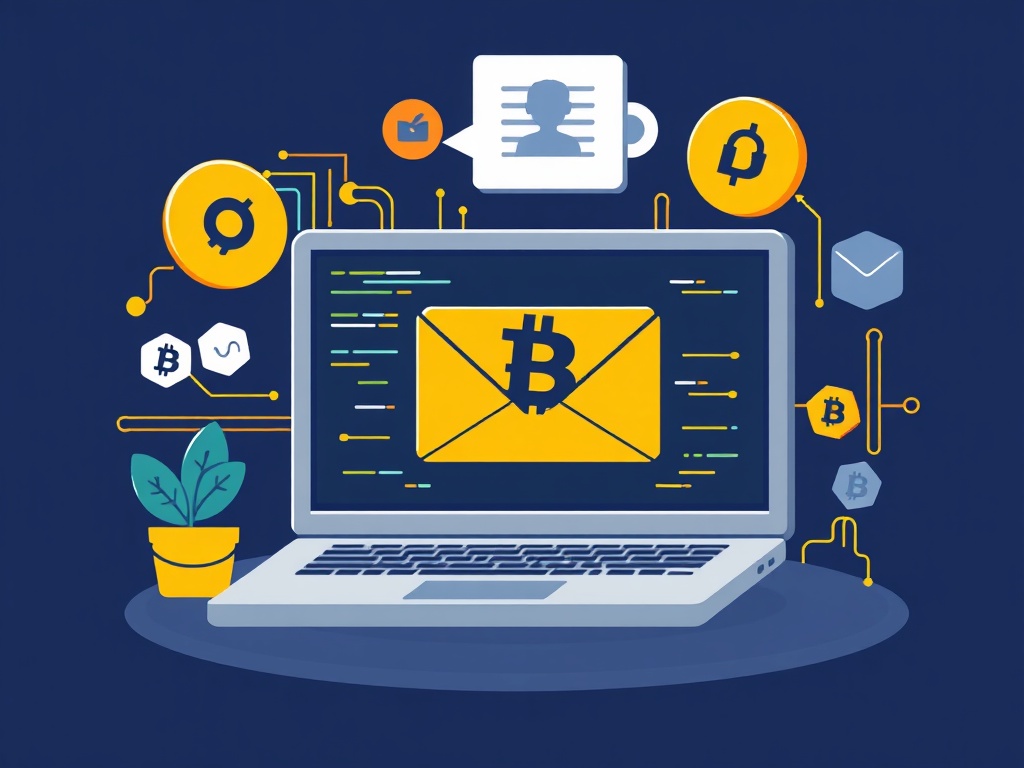
In an era where digital surveillance and data breaches are becoming increasingly common, protecting your online privacy has never been more critical. One of the most effective ways to safeguard your personal and professional communications is by using an anonymous email service. These specialized email providers prioritize user anonymity, encryption, and security, ensuring that your messages remain confidential and untraceable. Whether you're a journalist, whistleblower, activist, or simply a privacy-conscious individual, selecting the right anonymous email service can make all the difference in maintaining your digital anonymity.
This comprehensive guide explores the key features, benefits, and considerations when choosing an anonymous email service. We’ll delve into the top providers in 2024, compare their strengths and weaknesses, and provide actionable tips to help you make an informed decision. By the end of this article, you’ll have a clear understanding of what to look for in an anonymous email service and how to use it effectively to protect your online identity.
Why You Need an Anonymous Email Service in 2024
The Rising Threat of Digital Surveillance
Governments, corporations, and cybercriminals are constantly monitoring online activities. According to a 2023 report by the Electronic Frontier Foundation (EFF), over 60% of internet users are concerned about their online privacy, yet many remain unaware of how exposed their communications are. Traditional email services like Gmail and Outlook collect metadata, scan content for advertising purposes, and may share user data with third parties. An anonymous email service eliminates these risks by stripping away identifying information and encrypting your messages from end to end.
Use Cases for Anonymous Email Services
An anonymous email service is not just for criminals or hackers—it’s a tool for anyone who values privacy. Here are some common scenarios where these services are invaluable:
- Journalists and Investigative Reporters: Protecting sources and sensitive information is paramount. An anonymous email service ensures that whistleblowers can share critical data without fear of retaliation.
- Activists and Human Rights Workers: In countries with oppressive regimes, communicating securely can mean the difference between safety and persecution. Encrypted and anonymous emails help avoid censorship and surveillance.
- Business Professionals: Companies handling confidential client data or trade secrets can benefit from secure, untraceable communication channels.
- Everyday Users: Even if you’re not involved in high-stakes activities, an anonymous email service can prevent advertisers, hackers, and data brokers from tracking your online behavior.
Legal and Ethical Considerations
While an anonymous email service enhances privacy, it’s important to use it responsibly. These services are designed to protect legitimate privacy needs, not to facilitate illegal activities. Always ensure that your use of an anonymous email aligns with ethical standards and local laws. Reputable providers will have clear terms of service that prohibit misuse, such as spam, harassment, or criminal activities.
Key Features to Look for in an Anonymous Email Service
End-to-End Encryption
The cornerstone of any secure email service is encryption. An anonymous email service should offer end-to-end encryption (E2EE), which ensures that only the sender and recipient can read the message. This prevents intermediaries, including the email provider itself, from accessing your content. Look for providers that use protocols like PGP (Pretty Good Privacy) or OpenPGP for robust encryption.
No-Logs Policy
A true anonymous email service operates under a strict no-logs policy, meaning it does not store metadata such as IP addresses, timestamps, or email content. This policy is crucial because even if a provider is subpoenaed, they won’t have any data to hand over. Providers like ProtonMail and Tutanota are renowned for their commitment to user privacy and no-logs practices.
Anonymous Sign-Up and Payment Options
To maximize anonymity, your anonymous email service should allow you to create an account without requiring personal information like your real name or phone number. Additionally, look for providers that accept cryptocurrencies (e.g., Bitcoin, Monero) or other anonymous payment methods. This ensures that even your financial transactions remain untraceable.
Self-Destructing Emails
Some anonymous email services offer self-destructing emails, which automatically delete messages after a set period. This feature is particularly useful for temporary communications where you don’t want a record of the conversation. Providers like Mailfence and StartMail include this functionality, allowing you to set expiration times for your emails.
Two-Factor Authentication (2FA)
Even with encryption and anonymity, your account can still be compromised if someone gains access to your password. A reliable anonymous email service should support two-factor authentication (2FA), which requires a second form of verification (e.g., a code sent to your phone or generated by an app) to log in. This adds an extra layer of security to your account.
Top Anonymous Email Services in 2024: A Detailed Comparison
ProtonMail: The Gold Standard for Privacy
ProtonMail is one of the most well-known and trusted anonymous email services in the world. Based in Switzerland, it benefits from some of the world’s strongest privacy laws. Here’s what sets ProtonMail apart:
- End-to-End Encryption: All emails sent between ProtonMail users are automatically encrypted. For external recipients, you can set a password to encrypt the message.
- No-Logs Policy: ProtonMail does not store IP addresses or metadata, ensuring your anonymity is preserved.
- Anonymous Sign-Up: You can create an account without providing personal information. Payment can be made with Bitcoin or cash via mail.
- User-Friendly Interface: Despite its advanced security features, ProtonMail offers an intuitive and easy-to-use interface, making it accessible to non-technical users.
- Additional Features: ProtonMail includes a built-in VPN (ProtonVPN) and calendar for enhanced privacy.
Pros:
- Swiss-based, subject to strict privacy laws.
- Free tier available with basic features.
- Strong encryption and no-logs policy.
Cons:
- Free accounts have limited storage (500 MB).
- Emails to non-ProtonMail users require manual encryption.
Tutanota: Open-Source Privacy for Everyone
Tutanota is another leading anonymous email service, known for its open-source approach and commitment to transparency. Here’s why Tutanota stands out:
- Open-Source Code: Tutanota’s source code is publicly available, allowing independent security audits and ensuring there are no hidden backdoors.
- Built-In Encryption: All emails, including those sent to non-Tutanota users, are encrypted by default.
- No Personal Information Required: You can sign up without providing a phone number or real name. Cryptocurrency payments are accepted.
- Calendar and Contacts: Tutanota includes encrypted calendar and contact management features.
- User-Friendly: The interface is simple and straightforward, making it ideal for beginners.
Pros:
- Completely free tier with 1 GB of storage.
- Open-source and independently auditable.
- Strong encryption for all communications.
Cons:
- No support for PGP encryption (uses its own encryption protocol).
- Limited customization options for paid plans.
StartMail: Customizable Privacy for Power Users
StartMail is a premium anonymous email service designed for users who need advanced customization and security features. Here’s what makes it unique:
- Custom Domains: StartMail allows you to use your own domain name, making it ideal for businesses or professional use.
- PGP Encryption: Supports PGP encryption for enhanced security when communicating with non-StartMail users.
- Anonymous Sign-Up: No personal information is required to create an account. Cryptocurrency payments are accepted.
- Self-Destructing Emails: You can set emails to expire after a specified time, ensuring no permanent record is left.
- Spam Filtering: Advanced spam filtering helps keep your inbox clean and secure.
Pros:
- Highly customizable with support for custom domains.
- Strong encryption options, including PGP.
- No-logs policy and anonymous payment options.
Cons:
- No free tier; plans start at $3.99/month.
- Steeper learning curve for beginners.
Mailfence: A European Alternative with PGP Support
Mailfence is a Belgium-based anonymous email service that combines encryption with a suite of productivity tools. Here’s why it’s a strong contender:
- PGP Encryption: Mailfence supports PGP encryption, allowing you to secure emails sent to non-Mailfence users.
- No-Logs Policy: Based in Belgium, Mailfence is subject to EU privacy laws, which are among the strictest in the world.
- Document Collaboration: Includes encrypted document storage and collaboration tools, similar to Google Drive but with privacy in mind.
- Anonymous Sign-Up: You can create an account without providing personal information. Cryptocurrency payments are accepted.
- Calendar and Contacts: Integrated encrypted calendar and address book.
Pros:
- Supports PGP encryption for maximum security.
- Includes productivity tools like document storage.
- Strong privacy laws in Belgium.
Cons:
- Free tier is limited (500 MB storage).
- Interface can feel outdated compared to competitors.
Cryptomail: Privacy-Focused with Bitcoin Integration
Cryptomail is a newer anonymous email service that emphasizes Bitcoin integration and ease of use. Here’s what you need to know:
- Bitcoin Payments: Cryptomail allows you to pay for your account using Bitcoin, enhancing anonymity in transactions.
- End-to-End Encryption: All emails are encrypted by default, ensuring your messages remain private.
- No Personal Information Required: You can sign up without providing a phone number or real name.
- User-Friendly: The interface is clean and intuitive, making it accessible to beginners.
- No-Logs Policy: Cryptomail does not store IP addresses or metadata.
Pros:
- Bitcoin integration for anonymous payments.
- Simple and intuitive interface.
- Strong encryption and no-logs policy.
Cons:
- Limited storage compared to competitors (1 GB in free tier).
- Fewer advanced features than other providers.
How to Set Up and Use an Anonymous Email Service Securely
Step 1: Choose the Right Provider
Before signing up for an anonymous email service, assess your needs. Consider factors like encryption strength, storage capacity, ease of use, and whether the provider supports PGP or other advanced features. If you’re a journalist or activist, prioritize providers with strong encryption and no-logs policies. For business use, look for custom domain support and self-destructing emails.
Step 2: Create an Anonymous Account
When signing up, avoid using personal information. Most anonymous email services allow you to create an account with just a username and password. If the provider requires a phone number for verification, consider using a burner phone or a virtual number service like Burner or Google Voice. For payment, use cryptocurrencies like Bitcoin or Monero to maintain anonymity.
Step 3: Enable Two-Factor Authentication (2FA)
Once your account is set up, enable two-factor authentication (2FA) to add an extra layer of security. This typically involves downloading an authenticator app like Google Authenticator or Authy and linking it to your email account. 2FA ensures that even if someone obtains your password, they won’t be able to access your account without the second verification code.
Step 4: Use Encryption for Maximum Security
If your anonymous email service supports PGP encryption, take the time to set it up. PGP encryption allows you to encrypt emails sent to non-users of your provider, ensuring that only the intended recipient can read the message. Many providers offer guides or tutorials on how to use PGP, so follow their instructions carefully. If PGP isn’t available, ensure that your provider offers end-to-end encryption by default.
Step 5: Practice Safe Email Habits
Even with an anonymous email service, your security depends on how you use it. Follow these best practices to maintain anonymity:
- Avoid Using Personal Information: Never include your real name, address, or other identifying details in your emails.
- Use a VPN: A virtual private network (VPN) masks your IP address, adding another layer of anonymity. Choose a VPN provider with a strict no-logs policy.
- Be Cautious with Attachments: Avoid sending sensitive files as attachments. If necessary, encrypt them using tools like VeraCrypt or 7-Zip.
- Regularly Update Your Password: Use a strong, unique password and update it periodically. Consider using a password manager like Bitwarden or KeePass.
- Avoid Public Wi-Fi: Public Wi-Fi networks are often unsecured, making it easier for hackers to intercept your communications. Use a VPN if you must connect to public Wi-Fi.
Step 6: Test Your Anonymity
To ensure your anonymous email service is working as intended, perform a few tests. Send a test email to yourself and check the headers to see if your IP address is exposed. Use tools like Email Header Analyzer to inspect the metadata of your emails. If your IP address or other identifying information appears, revisit your setup and adjust your settings accordingly.
Common Myths and Misconceptions About Anonymous Email Services
Myth 1: Anonymous Email Services Are Only for Criminals
One of the most pervasive myths about anonymous email services is that they’re exclusively used by criminals. In reality, these services are designed to protect the privacy of everyday users, journalists, activists, and businesses. The vast majority of people who use anonymous email services are law-abiding citizens who simply want to keep their personal information secure. Privacy is a fundamental right, and anonymous email services help uphold that right.
Myth 2: All Anonymous Email Services Are the Same
Not all anonymous email services are created equal. Some prioritize ease of use, while others focus on advanced encryption or additional features like VPNs or document storage. The best provider for you depends on your specific needs. For example, a journalist might prioritize end-to-end encryption and no-logs policies, while a business user might need custom domain support. Always research and compare providers before making a decision.
Myth
 James Richardson
Senior Crypto Market Analyst
James Richardson
Senior Crypto Market Analyst
The Role of Anonymous Email Services in Preserving Digital Privacy and Security
As a Senior Crypto Market Analyst with over a decade of experience in digital asset ecosystems, I’ve observed that privacy-enhancing technologies are no longer optional—they are essential. Anonymous email services represent a critical layer in the broader privacy infrastructure, particularly for individuals and organizations operating in high-risk environments, such as cryptocurrency traders, journalists, or activists. These services mitigate exposure to surveillance, phishing, and data harvesting by masking metadata, IP addresses, and sender identities. In an era where centralized email providers are increasingly pressured to comply with regulatory demands, the adoption of anonymous email solutions is not just a preference but a strategic necessity for those prioritizing confidentiality.
From a practical standpoint, the effectiveness of an anonymous email service hinges on several factors: end-to-end encryption, server jurisdiction, and operational transparency. Services leveraging decentralized architectures or zero-knowledge proofs (e.g., ProtonMail with its Swiss privacy laws or Tutanota’s open-source model) offer superior resistance to censorship and subpoenas. However, users must remain vigilant—no system is infallible. Even the most robust anonymous email service can be undermined by poor operational security (OpSec) practices, such as reusing passwords or failing to enable two-factor authentication. For institutional players in crypto, integrating anonymous email with hardware security modules (HSMs) or multi-signature wallets can further reduce attack vectors. Ultimately, while anonymous email services are a powerful tool, their efficacy is contingent on disciplined implementation and a holistic approach to digital privacy.
The Role of Anonymous Email Services in Preserving Digital Privacy and Security
As a Senior Crypto Market Analyst with over a decade of experience in digital asset ecosystems, I’ve observed that privacy-enhancing technologies are no longer optional—they are essential. Anonymous email services represent a critical layer in the broader privacy infrastructure, particularly for individuals and organizations operating in high-risk environments, such as cryptocurrency traders, journalists, or activists. These services mitigate exposure to surveillance, phishing, and data harvesting by masking metadata, IP addresses, and sender identities. In an era where centralized email providers are increasingly pressured to comply with regulatory demands, the adoption of anonymous email solutions is not just a preference but a strategic necessity for those prioritizing confidentiality.
From a practical standpoint, the effectiveness of an anonymous email service hinges on several factors: end-to-end encryption, server jurisdiction, and operational transparency. Services leveraging decentralized architectures or zero-knowledge proofs (e.g., ProtonMail with its Swiss privacy laws or Tutanota’s open-source model) offer superior resistance to censorship and subpoenas. However, users must remain vigilant—no system is infallible. Even the most robust anonymous email service can be undermined by poor operational security (OpSec) practices, such as reusing passwords or failing to enable two-factor authentication. For institutional players in crypto, integrating anonymous email with hardware security modules (HSMs) or multi-signature wallets can further reduce attack vectors. Ultimately, while anonymous email services are a powerful tool, their efficacy is contingent on disciplined implementation and a holistic approach to digital privacy.