
Mastering Multichain Wallet Linking: A Complete Guide for Secure Crypto Management
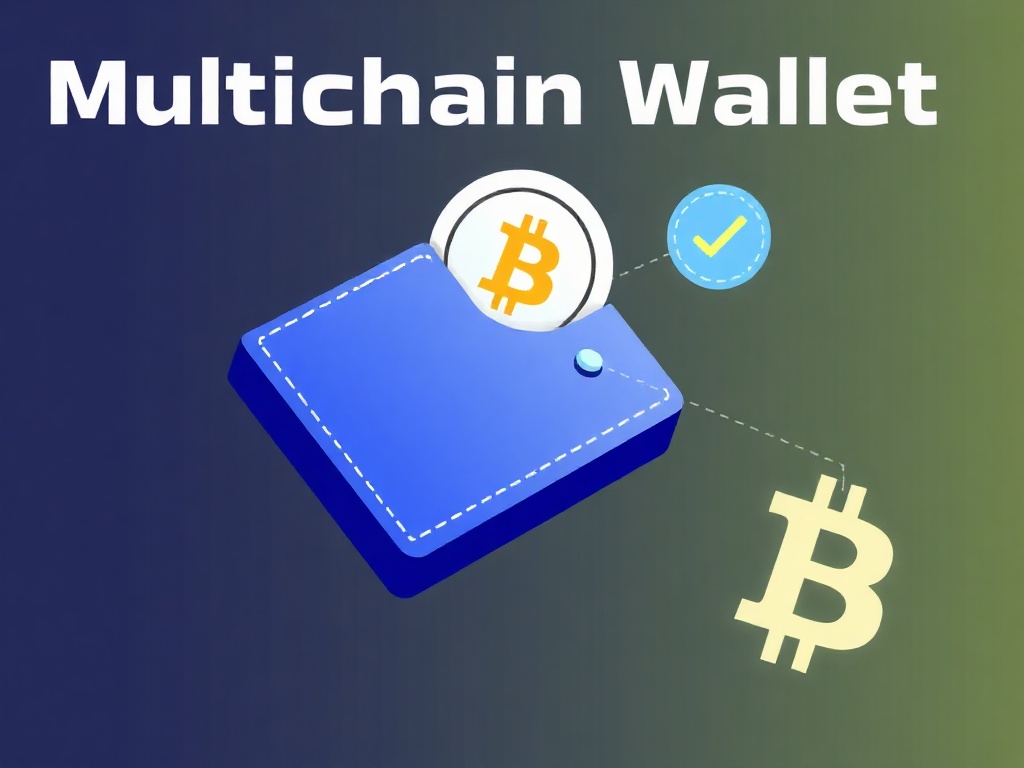
Mastering Multichain Wallet Linking: A Complete Guide for Secure Crypto Management
In the rapidly evolving world of cryptocurrency, multichain wallet linking has emerged as a critical feature for users seeking seamless asset management across multiple blockchain networks. As decentralized finance (DeFi) continues to expand, the ability to connect and interact with various blockchains through a single interface has become indispensable. This comprehensive guide explores the intricacies of multichain wallet linking, its benefits, implementation strategies, and best practices to ensure secure and efficient crypto transactions.
The concept of multichain wallet linking goes beyond traditional single-chain wallets by enabling users to manage assets across Ethereum, Binance Smart Chain, Polygon, Solana, and other prominent networks. This functionality not only simplifies portfolio management but also enhances liquidity access and reduces transaction costs. Whether you're a seasoned crypto investor or a newcomer to the space, understanding multichain wallet linking is essential for optimizing your digital asset experience.
The Evolution of Multichain Wallet Linking in Cryptocurrency
The Rise of Blockchain Interoperability
Blockchain interoperability has been the driving force behind the development of multichain wallet linking. Initially, cryptocurrency wallets were designed to operate on a single blockchain, limiting users to specific ecosystems. However, as the number of blockchain networks grew, so did the need for cross-chain functionality. The emergence of interoperability protocols like Polkadot, Cosmos, and Chainlink has paved the way for seamless communication between different blockchains.
This evolution has led to the creation of multichain wallet linking solutions that allow users to interact with multiple networks without switching between different wallet applications. By leveraging these technologies, users can now manage Bitcoin, Ethereum, and other assets from a single interface, streamlining their crypto operations and reducing complexity.
Key Milestones in Multichain Wallet Development
The journey toward effective multichain wallet linking has seen several significant milestones:
- 2017-2018: Early attempts at cross-chain wallets emerged, but they were often limited to specific blockchain pairs.
- 2019-2020: The introduction of wallet aggregators like DeFiPort and Zapper allowed users to view and manage assets across multiple chains.
- 2021: The launch of MetaMask with added support for Binance Smart Chain and Polygon marked a turning point in multichain wallet linking.
- 2022-2023: Advanced solutions like WalletConnect and Keplr Wallet enabled deeper integration with DeFi protocols across various chains.
- 2024: The rise of account abstraction and smart contract wallets has further enhanced multichain wallet linking capabilities.
These developments have collectively transformed multichain wallet linking from a niche feature into a mainstream requirement for crypto users.
Why Multichain Wallet Linking is Essential for Crypto Users
Enhanced Portfolio Management
One of the primary advantages of multichain wallet linking is the ability to consolidate all your crypto assets in a single view. Instead of juggling multiple wallets for different blockchains, users can monitor their entire portfolio from one dashboard. This not only saves time but also reduces the risk of overlooking assets or missing investment opportunities.
For example, a user holding Bitcoin on the Lightning Network, Ethereum on Layer 2, and Solana tokens can track all these assets in real-time through a multichain wallet linking solution. This holistic view enables better decision-making and more efficient portfolio rebalancing.
Access to Cross-Chain DeFi Opportunities
The decentralized finance ecosystem spans multiple blockchains, each offering unique protocols and yield opportunities. Multichain wallet linking eliminates the need to transfer assets between chains manually, making it easier to participate in:
- Cross-chain lending and borrowing (e.g., Aave on Ethereum and Polygon)
- Decentralized exchanges (DEXs) like Uniswap, PancakeSwap, and Raydium
- Yield farming across different networks
- NFT marketplaces on Ethereum, Solana, and other chains
By linking your wallet to multiple chains, you can seamlessly move assets between protocols without the friction of manual transfers, maximizing your DeFi returns.
Reduced Transaction Costs and Time
Traditional cross-chain transactions often involve multiple steps, including bridge transfers and gas fees on different networks. Multichain wallet linking simplifies this process by enabling direct interactions with protocols on various chains, reducing the need for intermediary steps.
For instance, instead of bridging ETH from Ethereum to Polygon and then paying gas fees on both chains, a multichain wallet linking solution allows you to interact with Polygon-based DeFi protocols directly from your Ethereum wallet (if supported). This not only cuts down on costs but also speeds up transaction execution.
Improved Security Through Diversification
While single-chain wallets are vulnerable to network-specific risks, multichain wallet linking allows users to distribute their assets across different blockchains. This diversification strategy mitigates the impact of potential hacks, smart contract failures, or regulatory issues on any single network.
For example, if a vulnerability is discovered in Ethereum’s smart contract ecosystem, assets held on Solana or Bitcoin via a multichain wallet linking solution remain unaffected. This added layer of security is particularly valuable in an industry where security breaches can result in significant financial losses.
Top Multichain Wallet Linking Solutions in 2024
MetaMask: The Pioneer of Multichain Support
MetaMask remains one of the most popular wallets for multichain wallet linking, thanks to its extensive support for Ethereum, Binance Smart Chain, Polygon, Avalanche, and other EVM-compatible chains. Its user-friendly interface and robust ecosystem make it an ideal choice for both beginners and advanced users.
Key features of MetaMask for multichain wallet linking include:
- Chain switching: Easily toggle between supported networks.
- Custom RPC endpoints: Connect to any EVM-compatible blockchain.
- DeFi integration: Direct access to Uniswap, SushiSwap, and other protocols.
- Hardware wallet support: Secure your assets with Ledger or Trezor.
To enable multichain wallet linking in MetaMask:
- Open MetaMask and click on the network dropdown.
- Select "Add Network" and enter the RPC details for your desired chain.
- Confirm the addition, and you’re ready to interact with the new network.
Trust Wallet: A Mobile-First Multichain Solution
Trust Wallet, acquired by Binance, is a mobile wallet that excels in multichain wallet linking for non-EVM chains like Solana, Cosmos, and Binance Smart Chain. Its intuitive design and built-in support for numerous tokens make it a favorite among mobile users.
Notable features for multichain wallet linking in Trust Wallet include:
- Native support for 65+ blockchains: Including Ethereum, Binance Chain, and Solana.
- Staking and DeFi: Earn rewards directly from the wallet.
- DApp browser: Access decentralized applications across chains.
- Biometric security: Fingerprint and face ID authentication.
To link multiple chains in Trust Wallet:
- Open the wallet and tap the "Settings" icon.
- Select "Wallets" and tap "Add Wallet."
- Choose the blockchain you wish to add and follow the prompts.
Keplr Wallet: The Go-To for Cosmos and IBC-Compatible Chains
Keplr Wallet is the leading wallet for the Cosmos ecosystem, supporting multichain wallet linking via the Inter-Blockchain Communication (IBC) protocol. It enables users to manage assets across Cosmos-based chains like Osmosis, Juno, and Secret Network seamlessly.
Key advantages of Keplr for multichain wallet linking include:
- IBC protocol support: Transfer assets between Cosmos chains effortlessly.
- Staking and governance: Participate in network validation and voting.
- Cross-chain swaps: Use THORChain or other bridges within the wallet.
- Ledger integration: Secure your assets with hardware wallet support.
To enable multichain wallet linking in Keplr:
- Install Keplr from the official website or app store.
- Create or import a wallet, then select "Add Another Chain."
- Choose the desired Cosmos-based chain and approve the connection.
WalletConnect: The Bridge Between Wallets and DApps
WalletConnect is not a wallet itself but a protocol that enables multichain wallet linking between wallets and decentralized applications (DApps). It supports over 170 wallets and 400 DApps across Ethereum, Polygon, Solana, and other chains.
Why WalletConnect is essential for multichain wallet linking:
- Universal compatibility: Works with MetaMask, Trust Wallet, Rainbow, and more.
- QR code scanning: Connect your wallet to DApps without manual input.
- Session management: Control which DApps have access to your wallet.
- Multi-chain support: Interact with protocols on Ethereum, Binance Smart Chain, and beyond.
To use WalletConnect for multichain wallet linking:
- Open a DApp that supports WalletConnect.
- Select "Connect Wallet" and choose WalletConnect.
- Scan the QR code with your wallet app to establish a connection.
Step-by-Step Guide to Setting Up Multichain Wallet Linking
Choosing the Right Wallet for Your Needs
Before setting up multichain wallet linking, it’s crucial to select a wallet that aligns with your requirements. Consider the following factors:
- Blockchain support: Does the wallet support the chains you use?
- User interface: Is the wallet easy to navigate?
- Security features: Does it offer hardware wallet integration or multi-signature support?
- DeFi integration: Can you access DApps directly from the wallet?
- Mobile vs. desktop: Do you prefer a mobile or desktop experience?
Popular options include MetaMask (desktop), Trust Wallet (mobile), Keplr (Cosmos chains), and Rabby (multi-chain desktop).
Adding Custom Networks to Your Wallet
Many wallets allow you to add custom networks for multichain wallet linking. Here’s how to do it in MetaMask:
- Open MetaMask and click on the network dropdown (e.g., "Ethereum Mainnet").
- Select "Add Network" and enter the following details for your desired chain (e.g., Polygon):
- Network Name: Polygon Mainnet
- New RPC URL: https://polygon-rpc.com
- Chain ID: 137
- Currency Symbol: MATIC
- Block Explorer URL: https://polygonscan.com
- Click "Save" to add the network to your wallet.
- Switch to the new network and start interacting with DApps.
For non-EVM chains like Solana or Cosmos, the process may vary slightly, but most wallets provide step-by-step guides for adding custom networks.
Connecting Your Wallet to Cross-Chain Bridges
Cross-chain bridges are essential for multichain wallet linking when you need to move assets between incompatible blockchains. Popular bridges include:
- Polygon PoS Bridge: Ethereum to Polygon
- Binance Bridge: Ethereum to Binance Smart Chain
- Wormhole: Ethereum, Solana, Terra, and more
- THORChain: Native asset swaps across chains
- Multichain (formerly Anyswap): Cross-chain token transfers
To connect your wallet to a bridge for multichain wallet linking:
- Visit the bridge’s website (e.g., https://bridge.wormhole.com).
- Connect your wallet using WalletConnect or MetaMask.
- Select the source and destination chains (e.g., Ethereum to Solana).
- Enter the amount and recipient address (can be your own wallet).
- Confirm the transaction and wait for the bridge to process the transfer.
Important: Always verify the bridge’s reputation and security audits before using it. Some bridges have been exploited in the past, leading to significant losses.
Using Wallet Aggregators for Multichain Management
Wallet aggregators like Zapper, DeBank, and Instadapp provide a unified interface for multichain wallet linking, allowing you to track, swap, and manage assets across multiple chains from a single dashboard.
To use a wallet aggregator for multichain wallet linking:
- Visit the aggregator’s website (e.g., https://zapper.fi).
- Connect your wallet using WalletConnect or MetaMask.
- View your portfolio across all supported chains.
- Perform actions like swaps, staking, or lending directly from the aggregator.
- Monitor your positions in real-time without switching wallets.
These tools are particularly useful for active DeFi users who need to manage assets across Ethereum, Polygon, Arbitrum, and other chains efficiently.
Security Best Practices for Multichain Wallet Linking
Protecting Your Private Keys and Seed Phrases
The security of your multichain wallet linking setup begins with safeguarding your private keys and seed phrases. Never share these with anyone, and store them offline in a secure location. Consider using a hardware wallet like Ledger or Trezor to add an extra layer of protection.
Additional security tips:
- Use a dedicated email for crypto-related accounts to avoid phishing.
- Avoid public Wi-Fi when accessing your wallet or making transactions.
- Enable two-factor authentication (2FA) on all exchange accounts.
- Regularly update your wallet software to patch vulnerabilities.
- Use a password manager to generate and store strong passwords.
Recognizing and Avoiding Multichain Wallet Scams
As multichain wallet linking gains popularity, scammers are targeting users

The Future of Cross-Chain Transactions: Why Multichain Wallet Linking is a Game-Changer
As the Blockchain Research Director with over eight years in distributed ledger technology, I’ve witnessed firsthand how fragmented blockchain ecosystems have hindered mainstream adoption. Multichain wallet linking isn’t just a technical upgrade—it’s a critical step toward seamless interoperability. By enabling users to manage assets across multiple chains through a single interface, this innovation reduces friction, minimizes transaction costs, and enhances security by consolidating control. From a security standpoint, however, the challenge lies in ensuring that linked wallets don’t become single points of failure. Robust cryptographic proofs and multi-party computation (MPC) integrations are essential to mitigate risks like unauthorized access or smart contract exploits.
Practically speaking, multichain wallet linking democratizes access to decentralized finance (DeFi) and Web3 applications. Users no longer need to juggle multiple wallets or bridge assets manually, which has historically been a barrier for newcomers. For enterprises and developers, this technology streamlines cross-chain dApps, enabling smoother token swaps, NFT transfers, and governance participation. Yet, adoption hinges on standardization—interoperability protocols like IBC or LayerZero must evolve to support diverse wallet architectures without compromising decentralization. My recommendation? Prioritize wallets with open-source audits and modular designs to future-proof against evolving threats.