
Hardware Wallet Privacy: Securing Your Cryptocurrency with Maximum Anonymity
Hardware Wallet Privacy: Securing Your Cryptocurrency with Maximum Anonymity
In the rapidly evolving world of cryptocurrency, privacy has become a cornerstone of financial sovereignty. As governments, corporations, and malicious actors increasingly monitor blockchain transactions, users seek robust solutions to protect their financial data. Among the most effective tools for maintaining hardware wallet privacy are hardware wallets—physical devices designed to store cryptographic keys offline. Unlike software wallets, which are vulnerable to malware and phishing attacks, hardware wallets provide an air-gapped environment that significantly reduces exposure to digital threats.
This comprehensive guide explores the critical aspects of hardware wallet privacy, from understanding the risks of public blockchain exposure to selecting the most secure devices and implementing best practices for anonymity. Whether you're a seasoned crypto investor or a privacy-conscious newcomer, mastering hardware wallet privacy will empower you to take control of your financial data and safeguard your digital assets against prying eyes.
Why Hardware Wallet Privacy Matters in the Age of Surveillance
The Growing Threat of Blockchain Transparency
Blockchain technology, while revolutionary, is inherently transparent. Every transaction on public ledgers like Bitcoin or Ethereum is permanently recorded, traceable, and often linked to real-world identities through chain analysis techniques. This transparency, while beneficial for auditability, poses significant risks to personal privacy. Governments and private companies leverage blockchain explorers and sophisticated analytics tools to track transactions, identify wallet owners, and even freeze assets under the guise of regulatory compliance.
For example, chain analysis firms like Chainalysis and TRM Labs have developed algorithms capable of clustering wallet addresses, linking them to known entities, and predicting future transactions. In some jurisdictions, authorities have used this data to seize funds or prosecute individuals based solely on blockchain activity. The implications are stark: without proper precautions, even a single transaction can expose your entire financial history to third parties.
How Hardware Wallets Enhance Privacy by Default
Unlike software wallets, which generate and store private keys on internet-connected devices, hardware wallets keep keys in an isolated, offline environment. This air-gapped architecture prevents remote attacks, keyloggers, and malware from accessing your sensitive data. When you initiate a transaction, the hardware wallet signs it internally and only broadcasts the signed transaction to the network—never exposing your private key to the outside world.
Moreover, many hardware wallets support features like coin mixing (via integration with services like JoinMarket or Wasabi Wallet) and stealth addresses, which further obfuscate transaction trails. By combining these tools with a hardware wallet, users can achieve a level of privacy that is nearly impossible with software-based solutions alone.
The Cost of Ignoring Hardware Wallet Privacy
Failing to prioritize hardware wallet privacy can lead to severe consequences, including:
- Financial surveillance: Your spending habits, income sources, and investment strategies become visible to third parties.
- Targeted theft: Criminals or state actors may identify high-value wallets and attempt to seize or extort funds.
- Reputational damage: In some industries, being associated with cryptocurrency transactions can lead to professional or social repercussions.
- Regulatory penalties: In jurisdictions with strict crypto regulations, unprotected transactions may result in fines or legal action.
By contrast, adopting a hardware wallet privacy strategy ensures that your financial activities remain confidential, reducing exposure to these risks.
Top Hardware Wallets for Maximum Privacy in 2024
Key Features to Look for in a Privacy-Focused Hardware Wallet
Not all hardware wallets are created equal when it comes to hardware wallet privacy. To make an informed choice, prioritize the following features:
- Open-source firmware: Devices with auditable, open-source code (e.g., Trezor, Ledger with open-source components) allow independent security reviews and reduce the risk of backdoors.
- Air-gapped operation: Wallets like Coldcard and BitBox02 support offline signing, ensuring your private keys never touch an internet-connected device.
- Multi-signature support: Multi-sig wallets require multiple approvals for transactions, adding an extra layer of security against unauthorized access.
- Coin control: Advanced wallets like Coldcard and Electrum (when paired with a hardware wallet) allow you to select specific UTXOs (unspent transaction outputs), preventing address reuse and improving privacy.
- Integration with privacy tools: Look for wallets that work seamlessly with coin mixers like Wasabi Wallet, Samourai Wallet, or JoinMarket.
Comparison of Leading Privacy-Focused Hardware Wallets
| Wallet Model | Open-Source | Air-Gapped | Multi-Sig | Coin Control | Privacy Integrations | Price (Approx.) |
|---|---|---|---|---|---|---|
| Coldcard Mk4 | Yes (Firmware) | Yes (PSBT) | Yes | Yes | Wasabi, Electrum, Sparrow | $159 |
| BitBox02 (Bitcoin-only) | Yes | Yes | No | Yes | Wasabi, Electrum | $129 |
| Trezor Model T | Partial (Core) | No (USB-connected) | Yes | Yes (via Electrum) | Wasabi, Samourai | $219 |
| Ledger Nano X | Partial (Bootloader) | No | Yes | No | Limited (via third-party apps) | $149 |
| KeepKey | No | No | No | No | Limited | $79 |
Why Coldcard and BitBox02 Stand Out for Privacy
Among the top contenders, Coldcard and BitBox02 are widely regarded as the gold standard for hardware wallet privacy due to their commitment to open-source principles and offline functionality. Here’s why they excel:
Coldcard Mk4: Developed by Coinkite, the Coldcard is purpose-built for Bitcoin privacy. Its PSBT (Partially Signed Bitcoin Transactions) support allows for secure offline signing, and its duress PIN feature lets users create a decoy wallet to protect against coercion. The device also supports BIP-85 for deterministic wallet backups, reducing the risk of key exposure during restoration.
BitBox02: Created by Shift Crypto, the BitBox02 is notable for its minimalist design and emphasis on security. It uses a secure element chip to store private keys, protecting against physical attacks like fault injection. The Bitcoin-only version further reduces attack surfaces by eliminating support for altcoins, which are often vectors for malware. Its integration with Wasabi Wallet enables seamless coin mixing for enhanced privacy.
While other wallets like Trezor and Ledger offer strong security features, their reliance on USB connections and partial open-source code may introduce vulnerabilities. For users prioritizing hardware wallet privacy, Coldcard and BitBox02 are the safest choices.
Advanced Techniques to Boost Hardware Wallet Privacy
Using Coin Mixing Services with Your Hardware Wallet
Even with a hardware wallet, transaction privacy can be compromised if you reuse addresses or send funds directly to exchanges. Coin mixing (or tumbling) services help break the link between your source and destination addresses by pooling funds with those of other users. When integrated with a hardware wallet, mixing services provide an additional layer of hardware wallet privacy.
Here’s how to use coin mixing effectively:
- Choose a reputable mixer: Opt for non-custodial mixers like Wasabi Wallet (for Bitcoin) or Samourai Wallet (for Bitcoin and Litecoin). Avoid custodial mixers that require you to trust a third party with your funds.
- Prepare your hardware wallet: Send funds to a fresh address on your hardware wallet. Avoid reusing addresses to prevent address clustering by chain analysis firms.
- Initiate the mixing process: Use the mixer’s interface to send funds through multiple rounds of mixing. Wasabi Wallet, for example, uses Chaumian CoinJoin, a privacy-preserving technique that mixes coins without revealing the source or destination.
- Withdraw to a new address: After mixing, withdraw funds to a fresh address on your hardware wallet. This breaks the transaction trail and enhances hardware wallet privacy.
- Verify the transaction: Use a blockchain explorer to confirm that the mixed funds are no longer linked to your original address.
Leveraging Coin Control for Better Privacy
Coin control is a feature that allows you to select specific UTXOs (unspent transaction outputs) when sending funds. This is crucial for hardware wallet privacy because it prevents address reuse and enables you to consolidate or split funds strategically. Here’s how to use coin control effectively:
- Consolidate UTXOs: If you have multiple small UTXOs from different sources, consolidating them into a single UTXO can reduce the number of addresses linked to your wallet.
- Avoid address reuse: Always send change to a new address rather than reusing the same address for multiple transactions. This prevents chain analysis firms from linking your transactions.
- Use different UTXOs for different purposes: For example, keep one UTXO for everyday spending and another for long-term storage. This compartmentalization limits the impact of a potential privacy breach.
To enable coin control, use a wallet interface like Electrum or Sparrow Wallet in conjunction with your hardware wallet. These tools provide granular control over UTXOs, enhancing your hardware wallet privacy strategy.
Stealth Addresses and Pay-to-Script-Hash (P2SH)
For advanced users seeking maximum hardware wallet privacy, stealth addresses and P2SH transactions offer additional obfuscation techniques. While these methods are more complex, they provide significant privacy benefits:
- Stealth addresses: These are one-time-use addresses generated for each transaction, making it difficult for third parties to link transactions to a specific wallet. Monero is the most well-known cryptocurrency that uses stealth addresses by default, but Bitcoin users can achieve similar privacy through BIP-47 (Reusable Payment Codes) or BIP-48 (Multisig wallets).
- Pay-to-Script-Hash (P2SH): P2SH transactions allow you to send funds to a script hash rather than a public key. This can be used to create multi-signature addresses or time-locked transactions, adding layers of complexity to transaction analysis.
Implementing these techniques requires technical expertise and may not be supported by all hardware wallets. However, for users willing to dive deeper, they represent a powerful way to enhance hardware wallet privacy.
Common Mistakes That Compromise Hardware Wallet Privacy
Overlooking Firmware Updates and Security Patches
One of the most common mistakes users make is neglecting to update their hardware wallet’s firmware. Manufacturers regularly release updates to patch vulnerabilities, fix bugs, and improve security features. Failing to install these updates can leave your device exposed to known exploits.
To maintain optimal hardware wallet privacy, follow these best practices:
- Enable automatic updates: If your wallet supports it, enable automatic firmware updates to ensure you’re always running the latest version.
- Verify updates manually: If automatic updates aren’t available, manually check for updates on the manufacturer’s official website. Avoid downloading updates from third-party sources, as these may contain malware.
- Test updates in a safe environment: Before applying a major update, consider testing it on a small amount of funds to ensure compatibility with your wallet setup.
Reusing Addresses and Exposing Transaction Patterns
Address reuse is one of the biggest threats to hardware wallet privacy. Every time you reuse an address, you create a link between past and future transactions, making it easier for chain analysis firms to track your spending habits. To avoid this:
- Generate a new address for each transaction: Most hardware wallets allow you to create fresh addresses easily. Use this feature to maintain separation between transactions.
- Avoid sending change to the same address: When you send funds, ensure that any change is directed to a new address rather than the original one.
- Use a wallet with built-in address rotation: Wallets like Wasabi and Samourai automatically generate new addresses for each transaction, reducing the risk of address reuse.
Ignoring Physical Security Risks
While hardware wallets are designed to protect against digital threats, they are still vulnerable to physical attacks. Losing your device or having it stolen can result in the loss of your funds if proper precautions aren’t taken. To mitigate physical risks:
- Use a strong PIN and passphrase: Enable a lengthy PIN (12+ characters) and a BIP-39 passphrase to protect your wallet from unauthorized access.
- Store your wallet securely: Keep your hardware wallet in a safe place, such as a fireproof safe or a bank deposit box. Avoid storing it in easily accessible locations like a desk drawer.
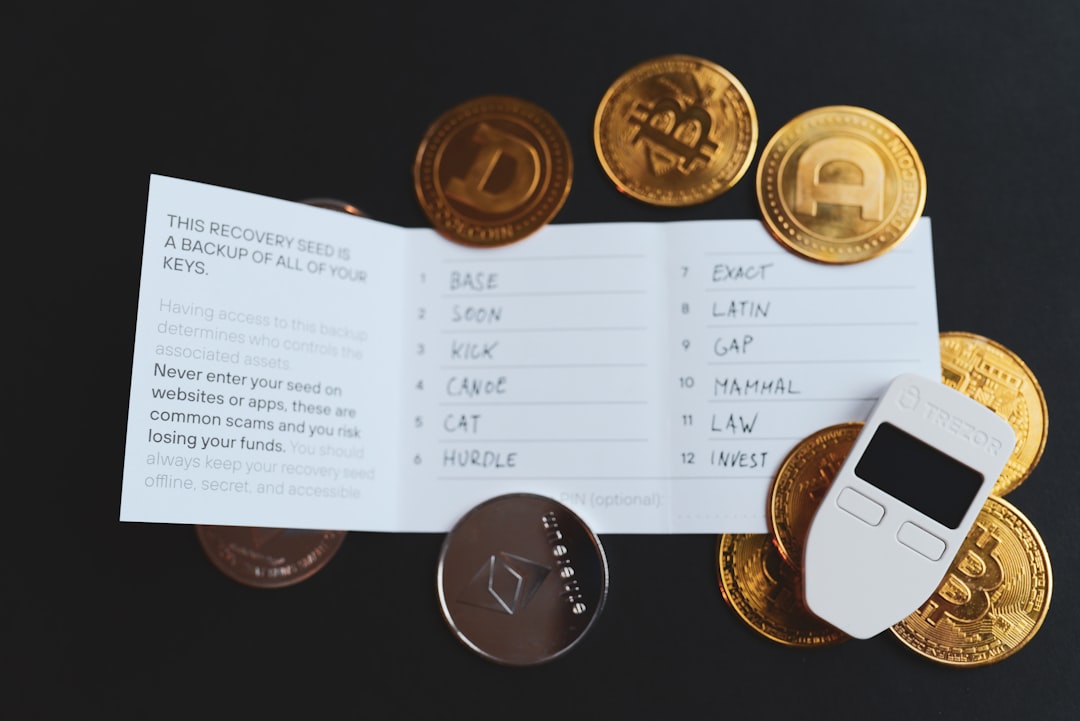
- Create a backup of your seed phrase: Write down your 12 or 24-word seed phrase on a durable material (e.g., metal) and store it in a separate, secure location. Never store it digitally or take photos of it.
- Beware of supply chain attacks: Purchase your hardware wallet directly from the manufacturer or an authorized reseller to avoid tampered devices.
Failing to Use a Dedicated Device for Transactions
Using a single device for both cryptocurrency transactions and everyday internet browsing is a recipe for disaster. Malware, keyloggers, and phishing attacks can compromise your hardware wallet privacy if your device is exposed to online threats. To minimize risks:
- Use a dedicated computer for transactions: Set up a separate, offline device solely for managing your hardware wallet. This reduces the attack surface and prevents cross-contamination.
- Disable unnecessary services: Turn off Wi-Fi, Bluetooth, and other wireless features on your transaction device to prevent remote attacks.
- Use a live operating system: Boot your transaction device from a live USB (e.g., Tails OS) to ensure a clean, malware-free environment.
Future Trends in Hardware Wallet Privacy
The Rise of Multi-Party Computation (MPC) Wallets
Multi-Party Computation (MPC) is an emerging technology that enhances hardware wallet privacy by distributing the signing process across multiple parties. Unlike traditional multi-signature wallets, MPC wallets split the private key into shares, which are held by

Hardware Wallet Privacy: Balancing Security and Anonymity in Digital Asset Management
As the Blockchain Research Director at a leading fintech research firm, I’ve spent years analyzing the intersection of cryptographic security and user privacy—particularly in the context of hardware wallet privacy. Hardware wallets are often hailed as the gold standard for securing digital assets, yet their privacy implications remain underdiscussed. While these devices excel at protecting private keys from online threats, their design can inadvertently expose users to surveillance risks through transaction metadata, address reuse, or even supply chain vulnerabilities. The challenge isn’t just securing assets but ensuring that the act of securing them doesn’t compromise anonymity—a balance that requires both technical awareness and proactive user practices.
From a practical standpoint, hardware wallet privacy hinges on three critical factors: address management, firmware integrity, and operational security. Users must avoid address reuse, leverage coin mixing services where appropriate, and verify the authenticity of their device’s firmware to mitigate supply chain attacks. Additionally, integrating hardware wallets with privacy-focused wallets—such as those supporting CoinJoin or stealth addresses—can further obscure transaction trails. As blockchain surveillance tools grow more sophisticated, the onus is on both manufacturers and users to prioritize privacy-by-design in hardware wallet ecosystems. Ignoring these considerations risks turning a secure asset vault into an unintended beacon for adversaries.